Border crossing straightforward. Cancelled the TIP (Temporary import permit) in Uruguay and got a passport exit stamp. We took a photo of the stamped TIP as suggested by the Uruguayan agent because sometimes they forget to record it. In Brazil you complete your details online and present a QR code. The TIP takes a little time but very helpful and courteous people. Oddly there are shops and supermarkets between the two countries border posts. On the road on the way to the Uruguayan border post the road becomes a runway with threshold touchdown markers and runway heading numbers. I have never seen that before! Rachel is getting a Brazil ID number in case we need it.
We drove across a causeway through the vast Pampa biome and wetlands. There were loads of Capybara in a field beside the road. Under Brazilian federal law, hunting of wild capybaras is illegal. However, the cultural footprint of eating capincho (local name for Capybara) in the southern borderlands persists informally. However in countries like Venezuela Capybaras are heavily hunted in the wild or raised on massive open ranches for mass consumption.
Beside the road we also saw Brazilian Guinea Pig (Cavia aperea): Locally known in Portuguese as the preá, this is the direct wild relative of the common domestic guinea pig.
70% of Brazil’s rice production is in this area. The region has recently changed into a major producer of soybeans and corn and away from beef production. It is also one of the primary regions in Brazil for wheat production, typically planted during the cooler autumn and winter months. In fact it is one of the most prominent agricultural powerhouses in Brazil, particularly famous for both rice and major cereal crops. We saw so many grain silos for grain storage.
Honestly glad to have a room tonight. It is wild and woolly out there! Roof tents and gusting winds are not good together.
Thursday 13th August 2026 – Rio Grande
Staying another night here, there are no campsites or accommodation for some distance. Absolutely filthy weather in the night. Tomorrow we are planning on visiting the Parque Nacional da Lagoa do Peixe with its wide variety of birds, such as flamingos, swans, gulls, and sandpipers. Research has recorded over 300 species in the area.
Friday 14th August 2026 – Parque Nacional da Lagoa do Peixe
Getting the ferry from Rio Grande to Sao Jose (about £7 and 30 minutes).
The park has huge plantations of Pinus elliottii and Pinus taeda (Slash pine and Loblolly pine) were planted particularly during the late 1970s and 1980s by forestry companies primarily along the western limits of the park. These are being tapped for Resin. Each tree has the bark removed and a pouch strapped on to collect it. It is processed into rosin and turpentine which has widespread industrial applications in the chemical industry. The proliferation of these pine stands alters local hydrology, drains vital wetlands, accelerates the sedimentation (siltation) of the Lagoa do Peixe, and crowds out native restinga vegetation required by local and migratory wildlife. Environmental authorities (such as ICMBio) have worked to restrict, control, and eradicate these pine stands to restore the natural ecosystem.
We drove down a sandy track to the Lagoon, sadly didn’t see flamingos today. But we did see a turtle moving between two channels. It is a D’Orbigny’s slider (Trachemys dorbigni), also known locally in Brazil as the tartaruga-tigre-d’água or black-bellied slider.
Lots of Spanish moss (Tillandsia usneoides).
Went to sleep and woke up to the sound of frogs! Friendly cat here at the campsite called Mimosa.
Saturday 15th August 2026 – Parque Nacional da Lagoa do Peixe
George didn’t want to start this morning, battery was low. So we walked to the local supermarket and back and the solar had recharged the battery enough to start.
Took another long sandy track down to the Lagoon. Sadly the road was flooded after all the heavy rain and the lagoon heavily swollen. We didn’t get to see flamingos or spoonbills here after all as we had hoped. Ironically we saw a few in a field after leaving the park! We did see a Crested Caracara though (Falcon family).
We are on a lovely campsite by the river at Alto Mascarada for tonight. Orange tree in campsite.
There are beautiful Pink Ipê (Handroanthus species, commonly Handroanthus impetiginosus or Handroanthus heptaphyllus), also known as a pink trumpet tree or lapacho in this area. It produces an extremely dense, durable hardwood.
As it is the weekend some Brazilian families are here cooking huge quantities of meat on giant skewers like swords! One of them bought us some meat and cheesy bread, delicious. Kind people.
Sunday 16th August 2026 – Alto Mascarada
Thunderstorm in the night. With atrong winds. Noise of wind in the bamboo was like windchimes!
Hiked to one of three waterfalls. Realised my hiking boots have a split in the leather when crossing the river. I could literally shoot water out of the hole!
Pink Banana (also known as the hairy banana or pink velvet banana), scientifically classified as Musa velutina.
Angel’s Trumpet (Brugmansia).
Warning about Dengue on local cemetery!
Citrus blossom. Spring is here:
Went on a 10 kilometre hike to 2 more waterfalls. Firstly Cascata do Chuvisqueiro with a drop of 70 metres:
Wood sorrel in the forest:
This place is a Botanists heaven! Elephants Ear:
Bromeliads everywhere:
Fruit everywhere too – Banana (Plantain are also grown here), Papaya and Dragon fruit (locally called Pitaya):
Monday 17th August 2026 – Gramado
We are staying in a small town so we can get provisions and some laundry done. The laundry is self service with automated machines that dispense their own detergent and you can pay with a card! There is free WiFi, toilets, coffee and water dispenser. All impeccably clean. I just explained to a Portuguese couple how to use the machines, hilarious!
We are planning on going to a Swiss style fondue restaurant tonight. Brazil is full of surprises. Some Brazilians were admiring George at the last campsite and one of them said “We call it a Tractor!”. I am assuming that this is a compliment but I am not completely sure!!
The town of Gramado bills itself as “Switzerland in Brazil” (hence the fondues!), a play to get tourists which seems to work. When we walked into the town we decided on a Brazilian barbecue restaurant (Churrasco) instead. We went for the Rodizio option which is where they keep bringing meat on skewers and they cut you portions and they keep bringing you more until full! The meats were absolutely delicious.It comes Farofa is a traditional Brazilian side dish made from toasted cassava, potato salad, chips, salad, 2 kinds of rice, chimichurri and Grilled Pineapple (Abacaxi) cooked in brown sugar and cinnamon. Our waiter Geraldo didn’t quite know what to make of us at first but ended up very friendly. It was one of the staff member’s birthdays and they had made him a huge cake with a bottle of beer on it! Being tourist central restaurant prices are sky high.
Tuesday 18th August 2026 – Gramado and Cambara do Sul
Woke to a thick blanket of fog! Heading out of the town today. I resisted the temptation to visit the numerous chocolate shops here. They have really taken the swiss theme to heart. Apparently the planners often insist on Bavarian style buildings. All a bit Disneyfied to be honest. The town has a London Eye Ferris wheel, a NASA rocket and two statues of Liberty (that we saw, who knows there maybe more!!).
Took a gravel road for 40 kilometres (a shortcut to avoid tolls!) Through Araucaria pine forests. Mostly Logging trucks on the way. Small cattle ranches. Eventually we arrived at an area of fruit trees, Apples and Peaches are grown here. Strawberries, blackberries, and raspberries thrive in the cooler mountain climate and are commonly grown or sold by roadside vendors in the highlands. Persimmons and Figs are also common traditional small-scale orchard crops across Rio Grande do Sul’s uplands. In addition to traditional fruits, the area immediately surrounding Cambará do Sul is exceptionally famous for native flower honey harvested from the surrounding Araucaria and Atlantic Forest ecosystems rather than traditional orchard fruit. We plan to buy some local honey from the Posada where we are camping.
Araucaria pine, specifically known locally as the Paraná pine or Brazilian pine (Araucaria angustifolia) at our campsite:
A waterfall we saw on the way from a wooden plank bridge:
Went to the butcher before leaving town. Bought 1kg of Ribeye steak for around 30% of the cost in the UK. It is melt in the mouth tender too. Difficult not to live on beef here! Brazil has approximately 238 million head of cattle compared to 215 million people! It is the second largest cattle population in the world (after India) and is the world’s largest exporter of beef.
Wednesday 19th August 2026 – Cambara do Sul
Thunderstorm in the night. Only short but high winds. There are many frogs here at the lake and there is a symphony of croaking at sunrise and sunset. There are birds roosting in the pines above us and a flock of guinea fowl so together with the roosters there is quite an alarm call!
Took George to a car wash with an inspection pit so they could do the underside after the tracks in the national park. Of course with the rain and gravel roads he has already picked up a lot of muck again. The logging lorries are heavy and easily chew up the roads. Another thunderstorm this morning, they are forecast for the next two days. Hopefully it will blow itself out quickly again because we want to hike to some canyons.
Large silkmoth from the family Saturniidae, specifically belonging to the genus Dysdaemonia.
Small tree frog belonging to the family Hylidae:
The mimicry is amazing like this moth belonging to the family Notodontidae (commonly known as prominent moths).
And this inchworm moth belonging to the family Geometridae.
Brazil is widely recognized as the most biologically diverse country on Earth and sits at the top of the world’s 17 megadiverse nations. It is estimated to host roughly 15% to 20% of the world’s total biological diversity.
Brazil is home to over 103,870 known animal species and more than 43,000 plant species. It boasts the world’s highest number of amphibian and primate species, alongside leading global counts for plants, birds, mammals, and reptiles. Brazil hosts a massive number of endemic species—plants and animals found nowhere else on the planet—including over 50% of its plant species and an incredible 71% of its amphibian species.
Visited the Itaimbezinho Canyon (Cânion Itaimbezinho), located within the Aparados da Serra National Park. It stretches for about 5.8 kilometers and plunges roughly 700 meters deep. It has steep basalt cliffs topped with characteristic Atlantic Forest vegetation and Araucaria angustifolia (Brazilian pine) trees and a unique microclimate with peat and sphagnum moss. Mist often rolls in filling the canyon. When we first arrived we couldn’t see anything, even the pine tree tops. It can quickly clear and equally quickly fill again.
It is a stunning canyon and quite an experience especially with the mist clearing and reforming. Poor George got filthy on the way as the road had been prepared for asphalting and after the recent rains. There is something stuck in his brakes that I need to resolve if the rain stops for long enough.
We saw a vibrant bracket fungus Pycnoporus sanguineus (commonly known as the cinnabar polypore or cinnabar bracket) on the trail. Thankfully non toxic.
Thursday 20th August 2026 – Cambara do Sul
Lots of rain yesterday afternoon, the campsite became quite waterlogged. Luckily we are on slightly higher ground. Black-billed Scythebills (Campylorhamphus falcularius), known locally as the arapaçu-de-bico-torto are making a lot of noise in the trees now. Their exceptionally long, slim, and dramatically decurved black bill is specialized for probing deep into tree bark, bromeliads, and epiphytes to extract insects.
We visited Canion Fortaleza,one of the most stunning and imposing geological formations in Brazil, located within the Serra Geral National Park, on the border between the cities of Cambará do Sul (Rio Grande do Sul) and Jacinto Machado (Santa Catarina). The name “Fortaleza” (Fortress) comes from its sheer vertical rock walls, which resemble the massive ramparts of a medieval fortress. Approximately 7.5 km of winding rock walls, cliffs that plunge nearly 900 meters (approx. 2,950 feet) down to the valley floor and about 1,240 meters (4,070 feet) above sea level at its peak.
Some people zip line across the canyon:
There are basidiolichen here belonging to the genus Dictyonema. Unlike most lichens (which pair a fungus with a green alga), Dictyonema species are basidiolichens—meaning the fungal partner is a mushroom-forming fungus (basidiomycete) that associates with cyanobacteria (like Rhizonema) to fix nitrogen and photosynthesize.
I guess some people really need to be told not to jump?
Druzy quartz in the rock:
Ate at a cafe tonight as it was chucking it down. Good value tasty food. I had a beef steak with rice and beans, chips, salad, pickles, eggs, omelette. Rachel had chips and a medium chicken Empanada. They also bought us some piquant local cheese to try. Thankfully the torrential rain stopped during supper but poor George was sitting in a marsh when we returned. He sank a bit during the night! However a lot of the water has drained away by morning. I had visions of having to let the tyres down to get more traction and using low range four wheel drive to get out!
Friday 21st August 2026 – Vargem
A travelling day as we head towards Igacu falls, the largest waterfall system in the world. We have found a lovely quiet campsite and are drying out the tent and bedding. We have a small visitor too who climbed the ladder into the roof tent:
Saturday 22nd August 2026 – Vargem
So cold in the night, had to wear bed socks! Misty again this morning and really need gloves (but packed them away when we optimistically broke out the shorts! What madness was that?)
Another driving day – 140 miles but steep inclines and lots of bends (took about 5 hours). George did very well, he is much better on inclines with his new intercooler. Had to pump up the front offside tyre this morning as it only had 12psi but it held pressure all day so who knows. We have some spare Schrader valves and valve stems if we need to change it. There are lots of tyre places here. We are using 10ppm diesel which is the low sulphur diesel universally available kn the UK. There is also 50ppm and 500ppm diesel. George would be happy with those (being an older engine design) but we decided to stick with the 10ppm because it is higher octane for those hills! Less cattle farms and more cereal crops on the way. Less conifers and more deciduous trees.
Nice campsite beside the river, covered areas, picnic tables and lines of shade. The sun is shining and it is 18 degrees.
Just saw a Diaethria clymena or Cramer’s Eighty-Eight butterfly. Not my photo (doesn’t settle for long!). In Brazil, it is popularly called oitenta-e-oito. Iguazu Falls region is a hot spot for them.
View of the river from the campsite:
Lots of wood sorrel here, white and pink.
Hypoxis (yellow star-grass or star flowers)
Came across giant rodent droppings – Agouti or Paca but didn’t see any yet:
This is a Black Witch moth (Ascalapha odorata), known in Brazil and parts of Latin America as the Mariposa Bruxa or Borboleta-bruxa. It is one of the largest nocturnal moths in the Americas, with females often reaching a wingspan of up to 20 cm (8 inches). This one was about 6 inches!
Sunday 23rd August 2026 – Palma sola
When we left the campsite we saw a South American coati, or Nasua nasua). They vary in colour a lot from rusty red to nearly black. The one we saw was very dark in colour. We saw them a lot in Costa Rica. Couldn’t stop to get a photo but here is one I borrowed:
The country we drove through is getting increasingly intensive cereal production including a lot of oats. On the way one of the farms had a gathering of around 100 Gaucho all on horseback with their hats and sheepskin saddle covers. We thought of stopping but there were no signs up and we didn’t want to intrude if it was a private event. They have Horsemanship Competitions (Jineteada). These events challenge riders to stay on untamed horses for a set number of seconds. Also Skill Demonstrations (Destrezas Gauchas) with traditional games showcasing precise riding skills, lassoing, and racing. Of course they also have barbecue and dancing and perhaps bizarrely even poetry reading.
We are staying on a small farm (here they call them Estâncias for the larger ranches or smaller, more local family farms dedicated to crop farming or mixed agriculture are often called Chacras.
There are a pair of Buff-necked Ibis (Theristicus caudatus) here at the lake , also locally known as a curicaca:
Monday 24th August 2026 – Palma sola
Cold in the night again, quite variable here. We are at 850 metres here. We plan to use the Garmin GPS to track our attitude from now on plus we now have contour lines installed on OSMand maps. Enjoying coffee in the morning sun. Lots of remote places have fibre Internet here where there is no mobile signal. Quite an engineering achievement. Few potholes here too!! We miss them so much.
We have crossed the border into Argentina to visit the Igacu falls on that side before visiting them on the Brazilian side
Crossed the border back to Brazil around lunchtime (the customs officials lunch came on a motorbike). Border crossing took 50 minutes (most of it waiting for the new Brazilian Temporary Import Permit (TIP) probably because lunch intervened! When we tried to cancel the Argentinian TIP the surly official refused to sign or process it. We had noticed that they had typed the registration number wrong (a 3 instead of a 6) so if they don’t properly cancel it won’t really matter! Staying on a campsite next to the helipad that does flights to the falls so noisy every 15 minutes. We can walk to the falls from here (unlike the Argentinian side where it is a reasonable drive).
I remember my late father visiting Brazil in the late 1970s, when he worked for Unilever, to look at the Soy Bean production here (Brazil is the world’s largest producer and exporter of Soy beans). He talked animatedly about Igaçu falls and other sights he saw in Brazil. I remember him visiting Airey & Wheeler, the tropical outfitters on the Strand to get kitted out, sadly no longer there.
Thursday 27th August 2026 – Igaçu
Visited the falls from the Brazilian side. If anything it is more spectacular because you are facing the falls. They also have a walkway across the Devils throat right inside the cataract. We needed ponchos! There was a troupe of Coati at our lunch spot. Sadly people were feeding them even though the signs clearly say not to! In Costa Rica they have become quite aggressive because of being fed tourist lunches! A bit like the Gulls in seaside towns like Aldeburgh.
Saw this wasp moth belonging to the subfamily Arctiinae (family Erebidae, specifically within the tribe Ctenuchini / subtribe Ctenuchina or Euchromiina). Many species in this group are day-flying (diurnal) and use striking black, white, and iridescent metallic blue coloration to mimic toxic wasps or beetles, signaling unpalatability to predators.
Friday 28th August 2026 – Xaxim
A driving day heading for the Pantanal to (hopefully) see Jaguars and Anteaters. Very blustery today but quite hot and humid. We took a country road to avoid the large toll roads. Some of it was cobbled with local stone. A bit bone shaking but certainly different. More of a crop growing area to start with. We saw Tobacco growing for the first time. Nearer Toledo becomes pig and poultry production (with accompanying aromas!!).
Staying on a small farm with fish ponds (lots of fish are farmed here). Quite a night chorus of frogs. We have just seen a Burrowing owl (Athene cunicularia) in the light of the security camera:
Saturday 29th August 2026 – Xaxim to Dournados
White-banded Tree-frog in the shower this morning. They can rapidly shift their skin colouration from green to yellowish-brown with dark mottled markings for camouflage.
You often see Lapwings on lawns here, they are noisy and fiercely territorial.
Long drive today, Brazil is so big! We stopped at a Shell station (there are many here). We got some fuel and asked if they could grease the joints on the prop shaft and check the 2 differentials and transfer box for oil. They were great and wouldn’t take anything! The fuel stations here often have a lane with an inspection pit making the whole process so much easier. Don’t know why we don’t do that in the UK (except the health and safety culture perhaps and franchise dealers overcharging for basic servicing).
Some huge ranches on the way with corrals for stock and huge fields of pasture. Big fields of sugar cane on the latter part of the journey. We saw some Rhea for the first time, the large, flightless bird native to South America. Rheas belong to the ratite family, making them distant cousins of the African ostrich and the Australian emu.
Our time zone changed by one hour today. We are now on Amazon standard time!
Sunday 30th August 2026 – Dournados to Bonito
Assassin bug (family Reduviidae), specifically belonging to the genus Zelus (such as the Pale Green Assassin Bug, Zelus luridus, or the Leafhopper Assassin Bug, Zelus renardii). Should be handled with caution; like other assassin bugs, they can deliver a very painful defensive bite if provoked or mishandled. So many things that bite!.
Another long drive through ranches and farms (Fazienda). All with signs at the gate like cowboy movies. Came across a large flock of Rhea on maize stubble.
We are staying by the river in Benito. It was recommended by a very kind Brazilian who gave us his Instagram to contact him if we needed anything in Brazil. The river is so clear and there are fish called Piraputangas (Brycon hilari), one of the most iconic and abundant species found in the crystal-clear rivers around Bonito, Mato Grosso do Sul, Brazil (such as the Rio Formosa and Rio da Prata). They have a silvery-olive body with distinctive yellowish-orange fins and a dark spot near the base of the tail fin.
We swam here and it is simply idyllic. The small fish nibble at your legs and feet! Those tiny, inquisitive fish are most commonly known locally as Lambaris (or Piabas). They are small, freshwater characin fish belonging to the same broad family (Characidae) as larger river dwellers like the Piraputanga. We met some Brazilian uni students who were studying at the local state federal University (one studying AI and the other Tourism) very friendly indeed, here for the weekend staying in an Airbnb.
After showering there were 5 Red-and-green macaw (Ara chloropterus), also known as the green-winged macaw in a tree above George. The key feature is the green on the wings, which distinguishes them from Scarlet Macaws, which have much more yellow in the wing.
There were also a large number of orange-chinned parakeet (Brotogeris jugularis), also known as the tovi parakeet in the same tree.
High of 36 Celsius today.
Monday 31st August 2026 – Bonito to Refugio canaa
A pair of Macaws this morning in a Guapuruvu (Schizolobium parahyba), commonly known as the Brazilian fern tree or pica-pau. It produces flat, tear-drop or tadpole-shaped seed pods that mature into hard, woody cases. The macaws were fighting over them.
Arrived at Refugio canaa in time for lunch. A large farm,7 kilometres from the gate to the site. Within minutes we saw Scarlet macaws flying. And then a pair of Hyacinth Macaw (Anodorhynchus hyacinthinus).
Some red and green macaws appeared and then both together:
Sadly on the way here we saw a dead anteater and a dead armadillo on the road.
This Blue-and-yellow macaw (Ara ararauna), also known as the blue-and-gold macaw. decided George was a perch:
We went for a swim in the river here. More species of fish here than Bonito. There are fireflies here. I always love to see them. Something magical about them.
Tuesday 1st September 2026 – Refugio canaa
Thunderstorm in the evening and some light rain this morning. A fly past by 4 Hyacinth Macaws this morning and later 10 of them in a tree. They have now settled in a tree to fight with each other! Also a Red-legged Seriema (Cariama cristata), easily identifiable by its long legs, reddish-orange beak, and characteristic upright, fan-like crest of feathers above its eyes.
Tropical Kingbird (Tyrannus melancholicus), the tyrant flycatcher family
We are staying here another night because we are in nature and it is an amazing place. Tapir and Capybara with young were seen here yesterday.
Inca Doves (Columbina inca).
We walked up to the lookout post above where we are staying this morning and had a stunning view across the valley to a waterfall and verdant forest.
After another swim in the river we are relaxing in hammocks under a hexagonal roof in the gardens.
On the way back from the river we heard Physalaemus albonotatus (commonly known as the menwig frog or pale-legged weeping frog), often nicknamed the Formula One Frog or Racing Car Frog! Found in South America (including the Brazilian Pantanal and Paraguay), the mating calls of the males sound remarkably like a high-revving Formula One racing car or a speeding go-kart zipping past. When multiple males call out together from shallow water or muddy puddles, it genuinely sounds like a mini Grand Prix starting up.
We hadn’t met many overlanders until here, a British couple Clare and Danny with their 4 yearvold daughter. They had a Camper rental business in Chile for 7 years.
Wednesday 2nd September 2026 – Refugio canaa to Passo do Lontra
Warty Tree Frog (Trachycephalus typhonius, formerly known as Trachycephalus venulosus), also widely referred to as the Pepper Frog or Veined Tree Frog.
There were also Capucin monkeys here.
We stopped to look at Yacare Caiman (Caiman yacare), frequently referred to as the Pantanal alligator
Green Iguana (Iguana iguana)
Male Bare-faced Curassow (known locally in Brazil as mutum-de-penacho)(Crax fasciolata)
And the female:
Jabiru (Jabiru mycteria). The tallest flying bird found in South and Central America—readily identified by its massive, slightly upturned black bill, completely bare black head and neck, and a striking stretch of extensible red skin at the base of the neck.
The Hyacinth Macaw is so incredibly dextrous with nuts and seeds
Camping at Pantanal Jungle Lodge, not the best facilities but a wonderful garden full of large flocks of different birds (especially Parakeets and Red-crested Cardinals).
Thursday 3rd September 2026 –
Woken at 5:30am by Black-and-Gold Howler Monkey (Alouatta caraya), which are native to the region. We went for an early drive through the wetlands and saw Capybara, Caiman, Peccaries, Coati, Toucans and so many other birds.
Capybara
Caiman
Black-collared Hawk (Busarellus nigricollis), known locally in Brazil as the gavião-belo.
Bare-faced Ibis (Phimosus infuscatus), known locally in Brazil as the tapicuru.
The two main birds shown prominently in the center are: Roseate Spoonbill (Platalea ajaja): The striking pink bird with a flattened, spatula-shaped bill in the middle, known locally as the colhereiro. Wood Stork (Mycteria americana): The large wading bird on the left with a scaly dark head, white body, and thick downward-curved bill (with other wood storks and spoonbills partially visible around them).
Snail Kite (Rostrhamus sociabilis), specifically an immature or juvenile individual.
Anhinga (Anhinga anhinga), often referred to locally as the biguatinga or water turkey.
Tonight we are staying on a beautiful farm 5 kilometres from Miranda. There are cattle, sheep and horses here. We have already seen a group of 10 Capybaras (some babies). There are supposed to be Armadillo here so we are keeping a good lookout for them.
Collared peccary (also commonly known as a javelina or musk hog).
Armadillo (Chaetophractus vellerosus). Specifically a screaming hairy armadillo!. They live in large burrows that can be 2 to 10 feet long.
Milk Frog / Veined Tree Frog (Trachycephalus typhonius)
Friday 4th September 2026 – Miranda
High of 37 Celsius yesterday. Already hot at 7am. This farm is beautiful with so much wildlife. A pair of Blue and yellow Macaws did a fly past this morning. We are going to walk to a lake to see if we can see the Capybara family we saw yesterday. The Pantanal is just astonishing and we have so much more to see. We are going to bush camp on “Anteater road” to get the best chance of sightings. Giant Anteaters (Myrmecophaga tridactyla) are often crepuscular (love that word!) and nocturnal (beginning in the evening and ending around dawn), or nocturnal and crepuscular in regions like the Pantanal.
Went to a viewpoint called Mirante do Paxixi. Great view but a hazy day. Saw a Coral snake on the way down (highly venomous). It was shiny black with jade green spots behind its head. The markings vary hugely in juvenile snakes.
Really hot. High of 36 Celsius with 73% humidity and minimum of 25 overnight.
Saturday and Sunday 5th & 6th September 2026 – “Anteater Road”
Left camp at 6am to do the “anteater road”. We were lucky enough to see two giant Anteaters during the day! They are very difficult to photograph as all the farms are fenced for cattle. We got some snippets of video though.
We saw hundreds of Capybaras, a family of Coati and 2 Armadillos. Many birds of prey, macaws plus roseate spoonbills. Early on we had a really lucky sighting of a Maned Wolf.
We bush camped overnight next to the corral of a Ranch. They were loading harrows onto a flat bed truck and we used sign language to indicate that we wanted to camp. We were made welcome and they shook our hands warmly. On the second day we saw three more anteaters including one with a baby on its back! Spotting wildlife in Africa put us in good stead for finding Anteaters!
Crab-eating fox (Cerdocyon thous), also known locally as the maikong or forest fox. It is a medium-sized canid native to the central parts of South America, including the wetland and savanna habitats of the Pantanal.
Giant anteater (Myrmecophaga tridactyla). Last two with a baby on its back.
Black-collared Hawk (Busarellus nigricollis), locally known in Brazil as the gavião-belo.
Savanna Hawk (Buteogallus meridionalis, formerly Heterospizias meridionalis), locally known in Brazil as the gavião-caboclo.
Roadside Hawk (Rupornis magnirostris),
Pampas Deer (Ozotoceros bezoarticus), known locally in Brazil as the veado-campeiro.
George is looking like an off roader!
Until a few days ago it was called Faz. Ontario!
Astonishing flowers of Yellow Ipê (Handroanthus species, formerly Tabebuia), known locally in Brazil as the ipê-amarelo. It loses it leaves first and then flowers.
Bizarre balloon ride opportunity Pantanal style!
The Pantanal region is home to a high diversity of armadillo species (up to six or seven overlapping species. This is a Nine-banded armadillo (Dasypus novemcinctus), also known locally as the long-nosed armadillo.
Yacare caiman (Caiman yacare), a species of crocodilian native to central South America.
When its hot you just want a dip like a Capybara
Black-faced Ibis (Theristicus melanopis), known locally in parts of South America as the bandurria austral.
Monday 7th September 2026 – Coxim
Having a rest and relaxation day after the anteater road. Catching up on washing etc
This evening ten year old Pedro (not sure of his relationship with the campsite owner) wanted to help cook our dinner. He wanted to give me one of his toy cars when I explained it was a British Jaguar car, bless him! He was a bright kid and we managed to converse with Google translate. He told me had an air rifle. I still have mine that my parents bought for me when I was about thirteen I think although sadly it no longer works.
Tuesday 8th September 2026 – Coxim
George has a problem with two of his paws. So we are at the tyre place (Borracharria). One is a nail, the other a puncture from one of the plank bridges we think. There are many plank bridges in the Pantanal. They have a weight limit of 15 tonnes but the trucks are 45 to 57 tonnes! There are double ones with trailers that are 25.5 metres long! A serious hurdle for overtaking.
Got bitten to death last evening, sandflies I think. Back on the oral antihistamines becaus of the reaction and swelling.
Staying at a restaurant tonight next to the children’s playground! No campsites or bush camping around here. Staying at petrol stations is quite common here in Brazil. They are well set up for the truckers with showers and some have laundry facilities too. Just ate in the restaurant which was huge portions bug not great. The fresh fruit milkshakes were good though.
Wednesday 9th September 2026 – Coxipo do ouro
Long driving day heading towards Porto Jofre to (hopefully) see Jaguar. Brazil is so big, it takes time. Went through an area of Banana plantations, then Bamboo and finally cotton. The cotton is baled up in coloured plastic.
The cotton fields are gigantic. Commercial cotton plantations here frequently span 1,000 to over 5,000 hectares (approx. 2,500 to 12,000+ acres) per single contiguous farm. Well over 1 million hectares of cotton annually in sprawling, flat grid layouts optimized for heavy machinery and aerial crop dusting. We saw a local airport with a fleet of Brazilian built Embraer Ipanema aircraft for crop dusting.
Stopped at a viewpoint for lunch on an escarpment overlooking the plateau. There were a pair of burrowing owls here.
We are staying on a small holding by a river with a fish pond and cashew and mango trees starting to fruit.
The campsite owner called us over to see Azara’s night monkey (Aotus azarae), also commonly referred to as an owl monkey or douroucouli.
Thursday 10th September 2026 – Coxipo do ouro to near Pacone
Beautiful, tranquil place to stay off the beaten track, miles down a dirt track. Great nights sleep after the restaurant next to the truck route last night! But you have to use what is available and adapt.
There are Brazilian squirrel (Sciurus aestuans) here, also commonly known as the Guianan squirrel or caxinguelê in Brazil. Superfast and difficult to photograph.
This is an araticum fruit (likely Annona crassiflora or a closely related species in the Annonaceae family), also commonly known as marolo or araticum do cerrado. Inside, it contains a heavily scented, creamy, yellowish pulp with a sweet-and-sour flavor that is widely used locally to make ice cream, jams, cakes, and liqueurs.
It is 37 Celsius even with 55% cloud cover. Humidity is 45%. There were some cloud bursts on the way and there are rumbles of thunder. We are staying at a Pousada just inside the trans Pantaneria area.
There is a swimming pool so given the heat we will take a dip and we are having dinner (beef fillet) tonight. There were 147 bridges on the trans Pantaneria road but now less than 100 but half are the wooden bridges we love so much for giving us punctures on the “Anteater road”!
We have booked a boat for two days from Porto Jofre to go in search of Jaguars. People we met at the port in Montevideo sent us amazing photos of their sightings so we are quite excited. It is not cheap but for a once in a lifetime opportunity who cares. Plus given our passion for wildlife (big cats in particular) it is definitely worth it to us.
Visited by a pair of Hyacinth Macaws, a flight of Parakeets, some capuchin monkeys and a Jabiru stork.
This is an Azara’s capuchin (also known as the hooded capuchin or tufted capuchin, Sapajus cay, formerly classified under Cebus apella).
Friday11th September 2026 – Pacone
Having a rest and relaxation day at the Pousada Portal Paraiso. At 7am it is already 30 Celsius with extreme UV levels. Likely high around 37 again but feels like 40. Two kinds of frog in the shower this morning! There were even several frogs in the toilet pan yesterday! South American Horned Frog (genus Ceratophrys), commonly known as a Pacman frog.
Veined Treefrog (Trachycephalus typhonius), also commonly known as the common milk frog.
I have to say (although nervous about jinxing it!) that George, the Land Rover is being a Trooper. Had to fix the airhorn today (we like to be noticed!). The pipe from the compressor had come off on the corrugated roads. He has some electrical gremlins, sometimes the radio lights up, most of the time it doesn’t! We don’t use it anyway and the CD player gave up in East Africa twenty years ago!
Perhaps foolishly I put semi synthetic oil in George in the UK. I can’t find any semi synthetic oil for turbo diesel engines down here anywhere. Plenty for petrol engines. Bizarre. I don’t mind putting a bit of mineral oil to top up in emergency but not too much.
Did an early oil change to mineral oil. The guy wanted me to buy an additive called B15, said all the truck drivers use it but I don’t want to use it!!
We had the driver of a breakdown truck videoing us yesterday as we were driving through a city. Land Rovers have legendary status here!! I guess we are on someones Instagram somewhere!! Defenders were assembled here from kits shipped from Solihull until 2005 but supplemented with around 60% of local parts. The Brazilians increased the size of the engine by 300cc to give more power and torque, an adaptation that is sought after and that some engineering companies are now doing in the UK. They also redesigned the rear oil seal to fix Land Rovers design faults! (frankly there are too many!)
Great dinner here last evening. Lettuce, beef, eggs and plantain were all from their farm supplemented by local ingredients. Delicious.
A teiid lizard, specifically a tegu (likely a Salvator species, such as the Argentine black and white tegu or a closely related species common to the Pantanal region of South America).
Tonight’s sunset
A week ago the Pousada owner put out a camera trap and sent us footage of an Ocelot and an Irara (in English a tayra or tayra weasel). Tomorrow we are going to drive around the farm to see if we can spot anything. There are Tapir, Armadillo and Anteaters here in addition to the above.
Dinner was delicious again. The dessert was their own cheese with Dulce de leche is a sweet, creamy milk-based spread that is very popular in Latin America. (Super sweet!)
Saturday 12th September 2026 – Pacone to Porto Jofre
130 kilometres of the trans Pantaneria road today. Terrible corrugations and the last part was muddy after morning rain. But 75% of the way a bridge was blocked by a bus that was clearly over the 5 tonne weight limit. It had slipped off the planks and both rear wheels had gone through the bed of the bridge! We waited an hour and a half while the bus was jacked up and the bridge temporarily repaired beneath it!
The cavalry arrived. Lord knows where from!
A prehensile-tailed porcupine (Coendou prehensilis), also commonly known as the Brazilian porcupine. It has a long, muscular, and hairless-tipped tail which functions like an extra limb to grip branches and aid in climbing.
Buff-necked ibis (Theristicus caudatus), locally known in Brazil as the curicaca.
A Ringed Kingfisher (Megaceryle torquata).
Crossing a typical Pantanal wooden bridge
A Snowy Egret (Egretta thula).
Great Egret (Ardea alba).
Mind boggling numbers of Egrets.(Egrets, I’ve had a few, but then again, too few to mention! Sorry Mister Sinatra, it had to be done.)
Southern Screamer (Chauna torquata), also known as the crested screamer.
Cocoi Heron (Ardea cocoi), also known as the white-necked heron.
Marsh deer (Blastocerus dichotomus), known locally as the cervo-do-pantanal.
Crested Caracara (Caracara plancus).
Savanna Hawk (Buteogallus meridionalis).
Yacare caiman (Caiman yacare).
Plumbeous Ibis (Theristicus caerulescens), also historically referred to as the blue ibis.
Sunday 13th and Monday 14th September 2026 – Porto Jofre
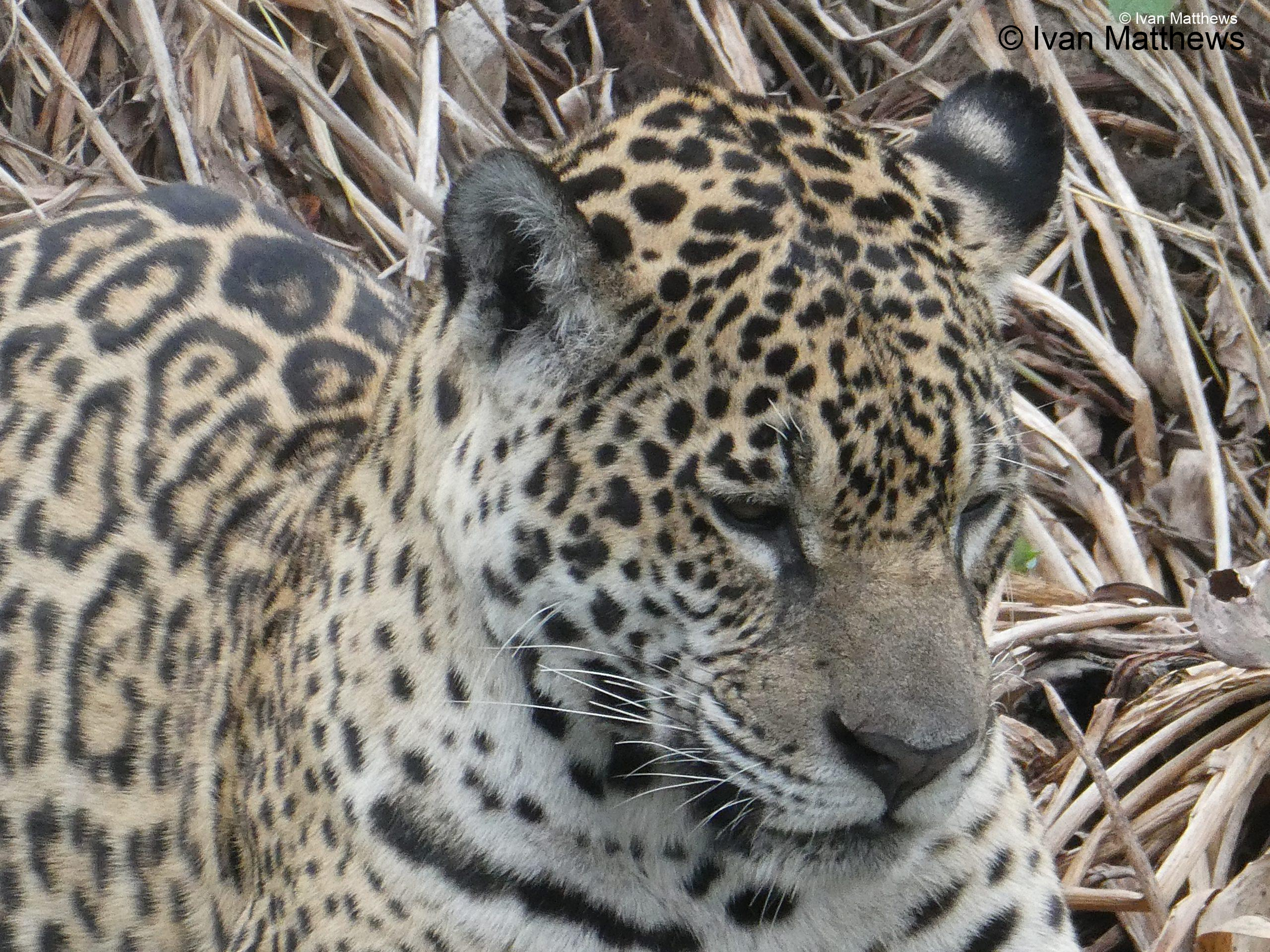
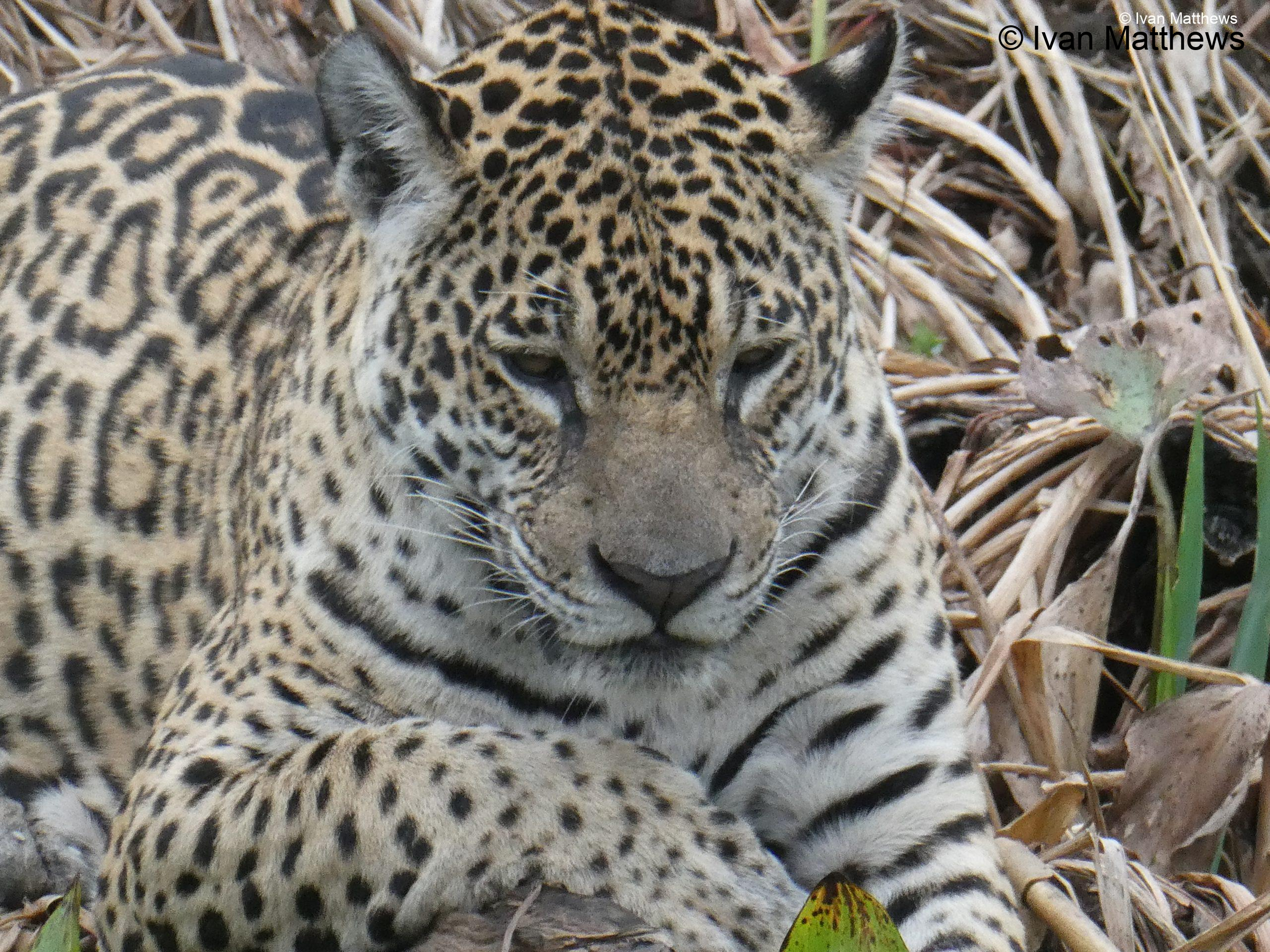
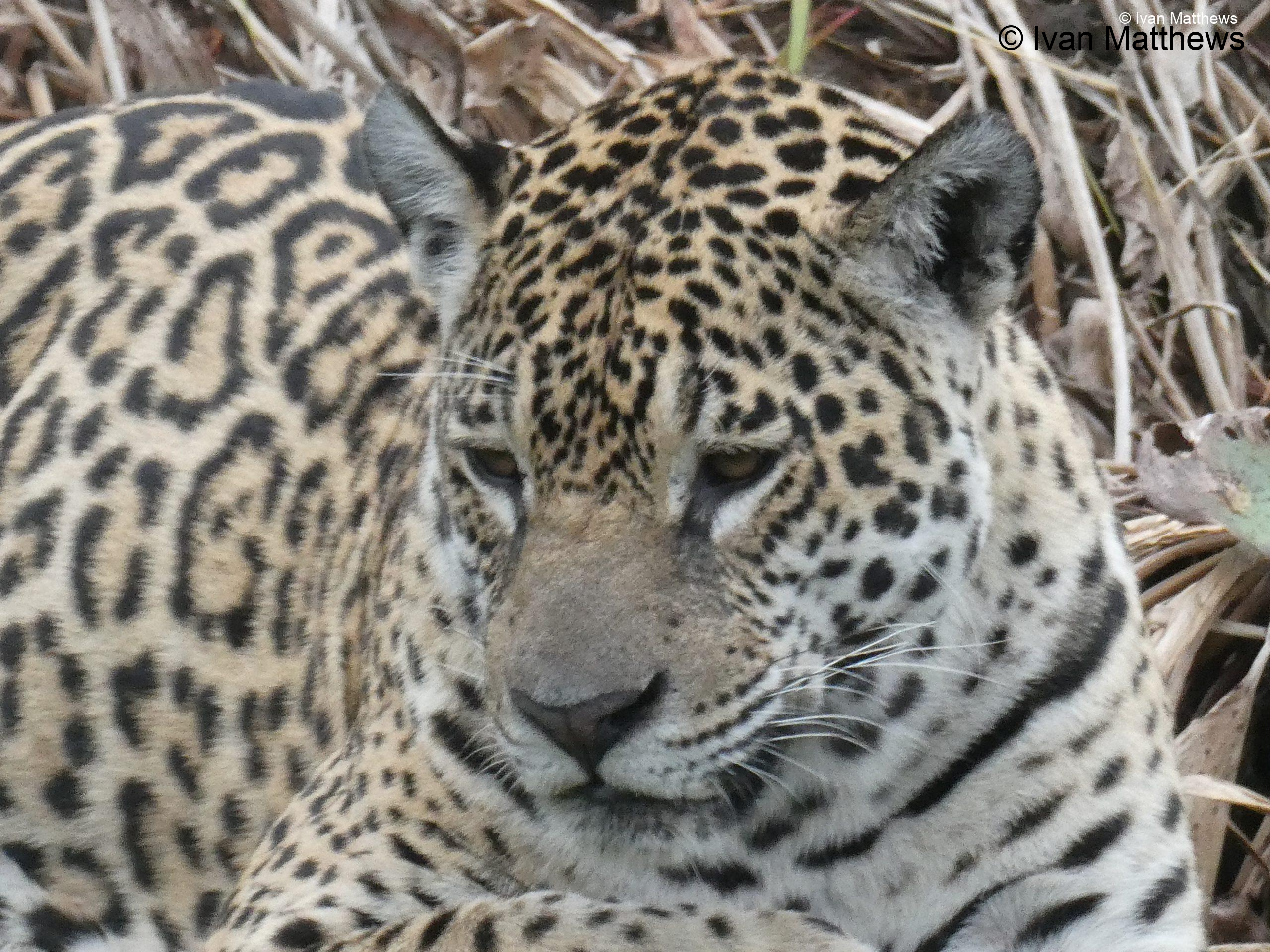
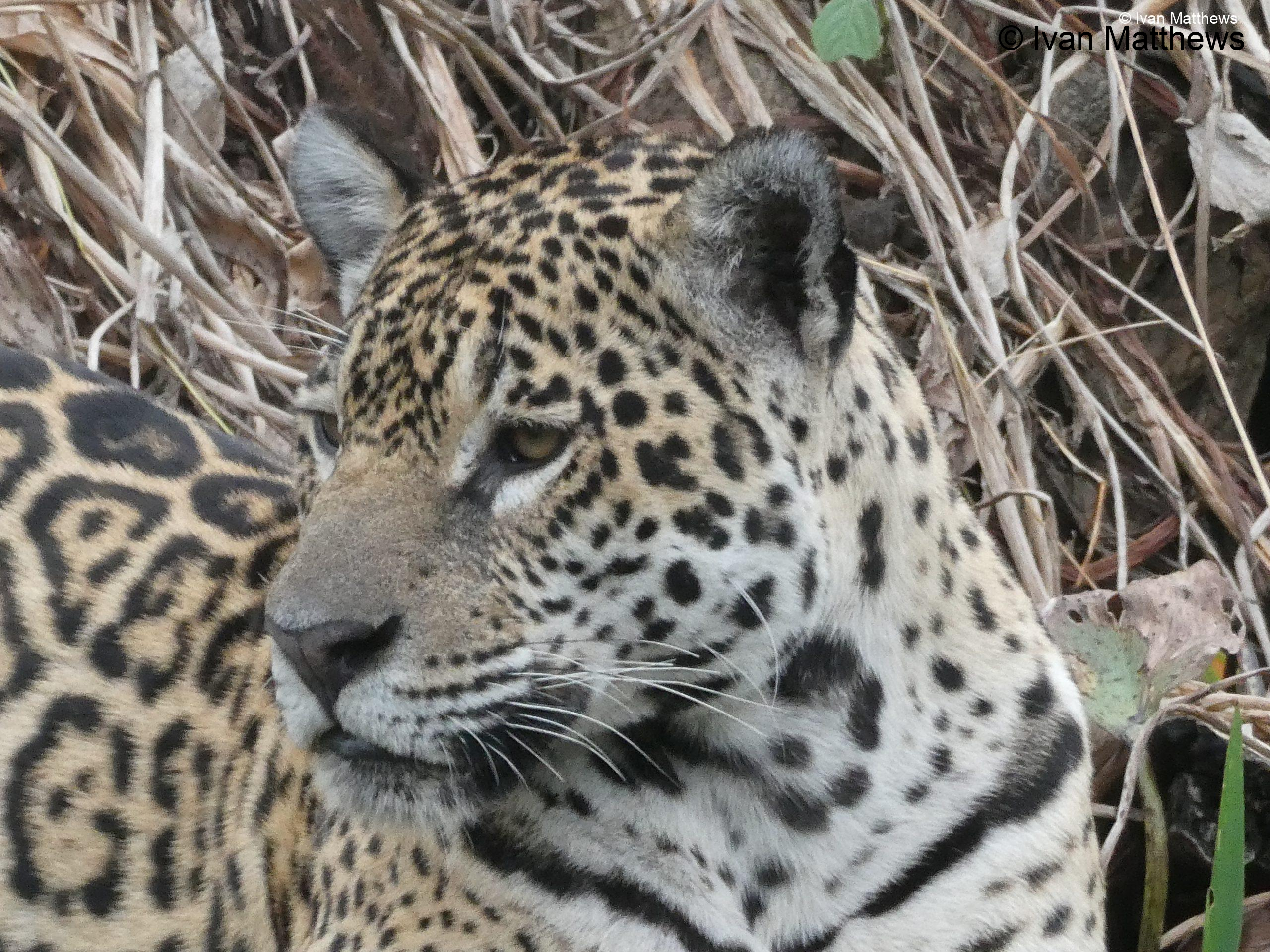
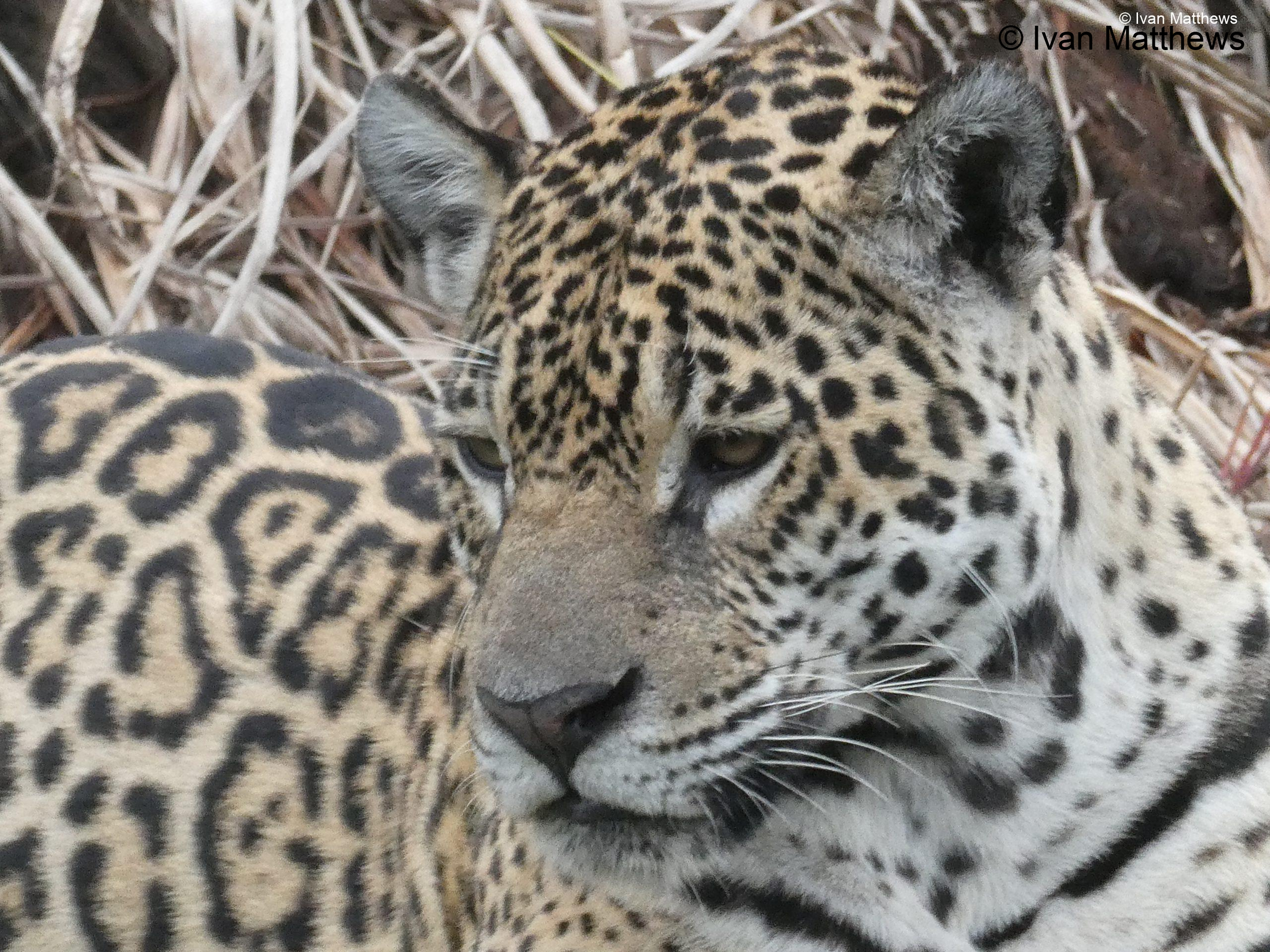
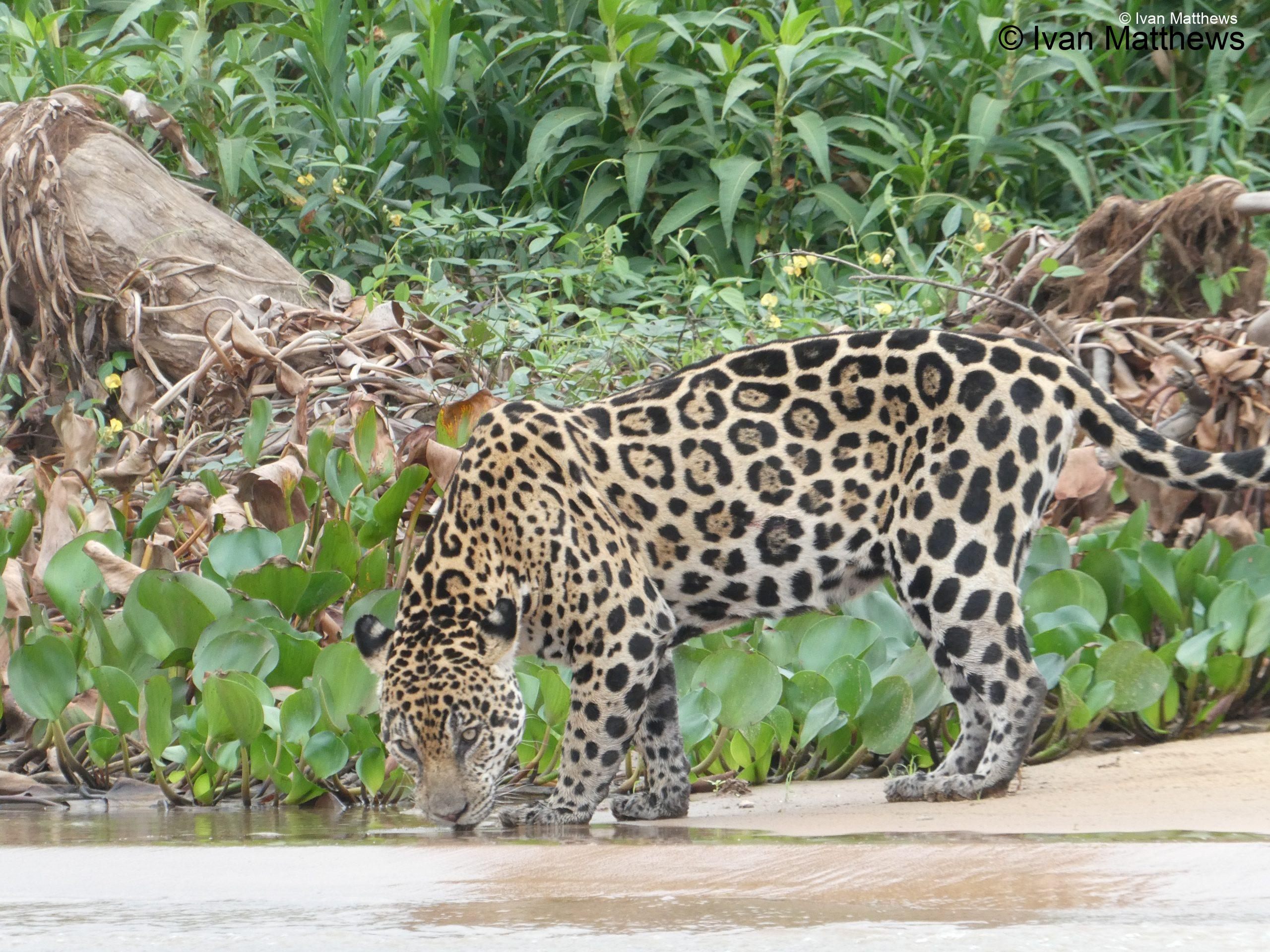
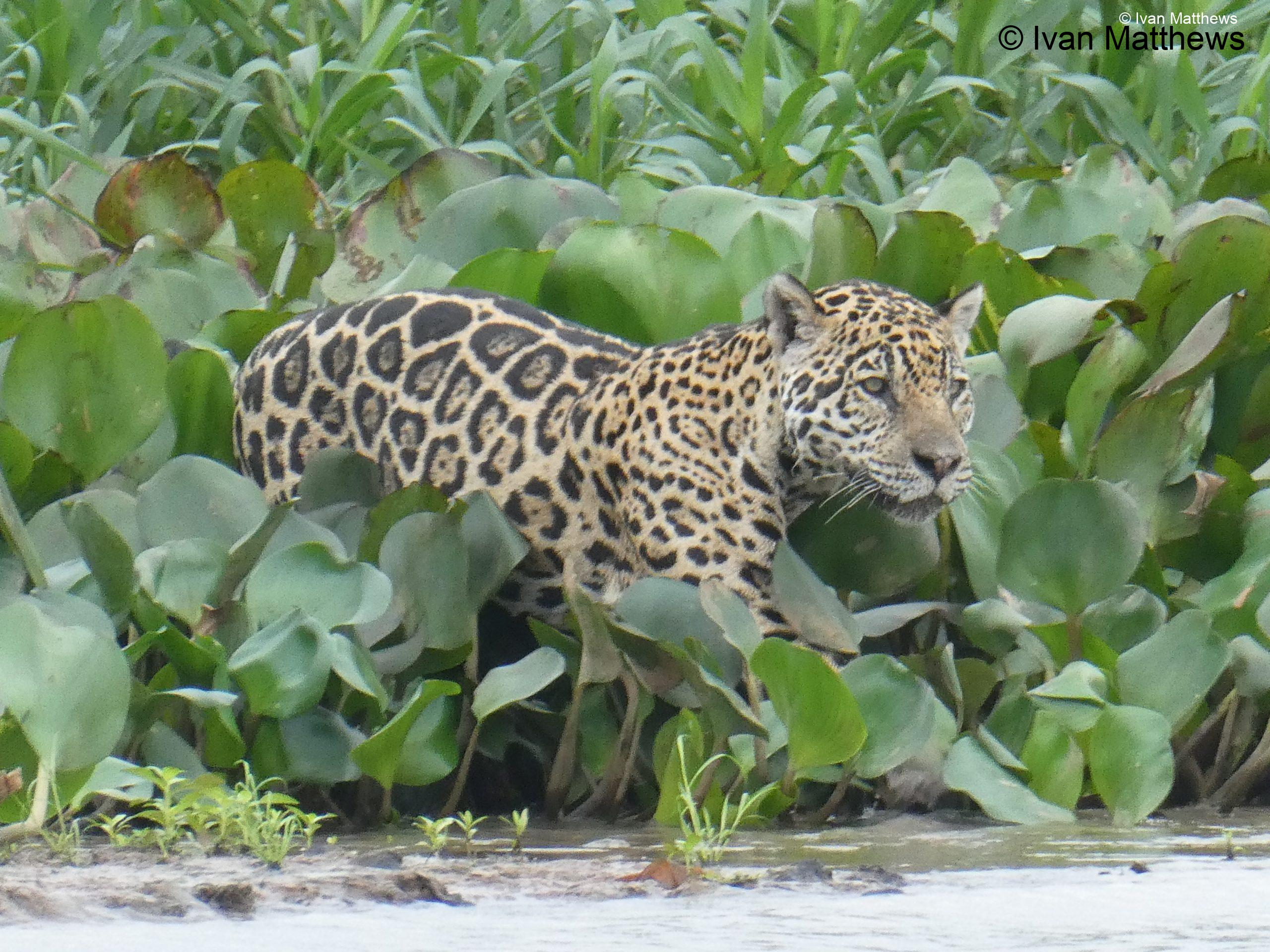
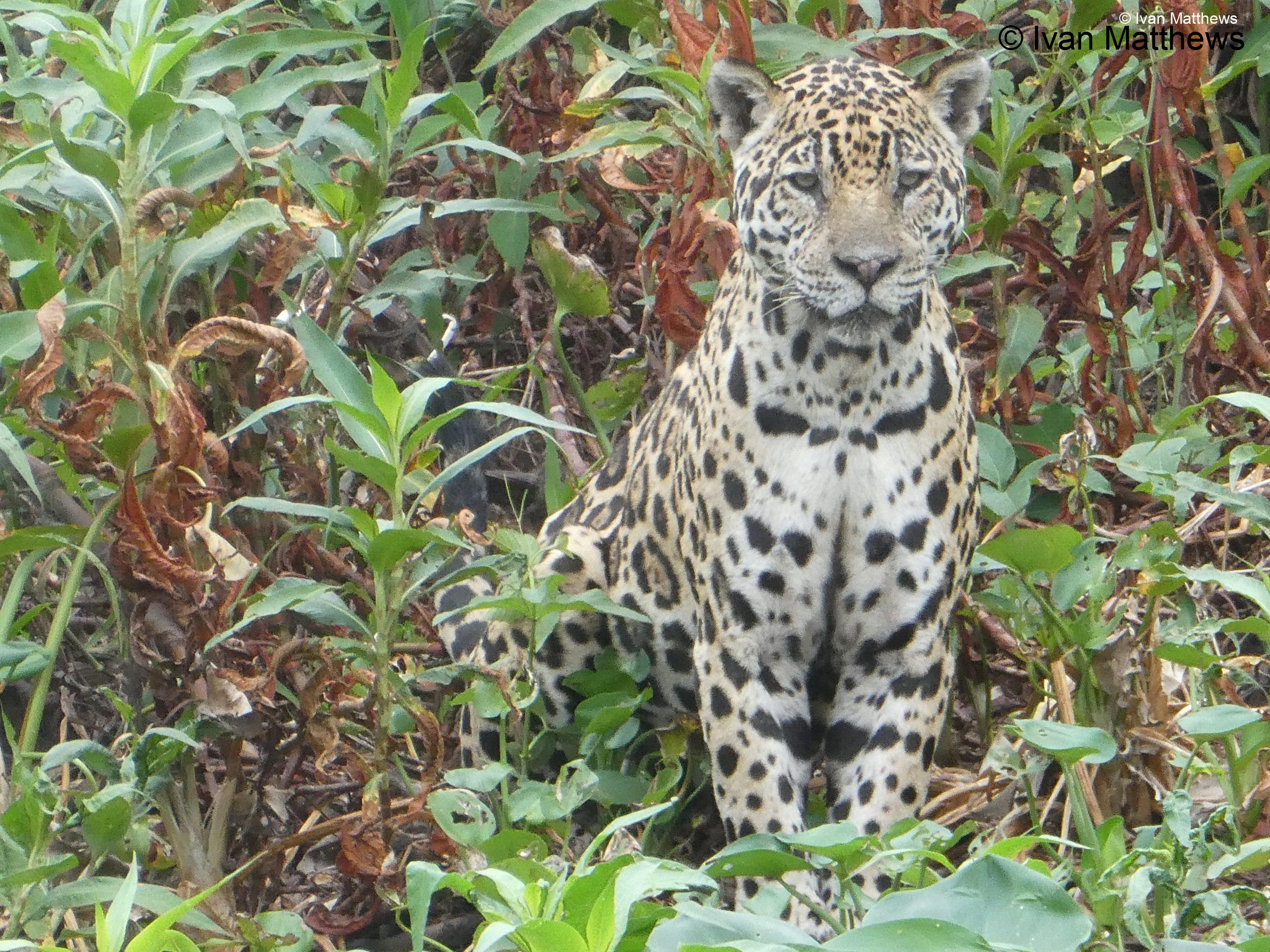
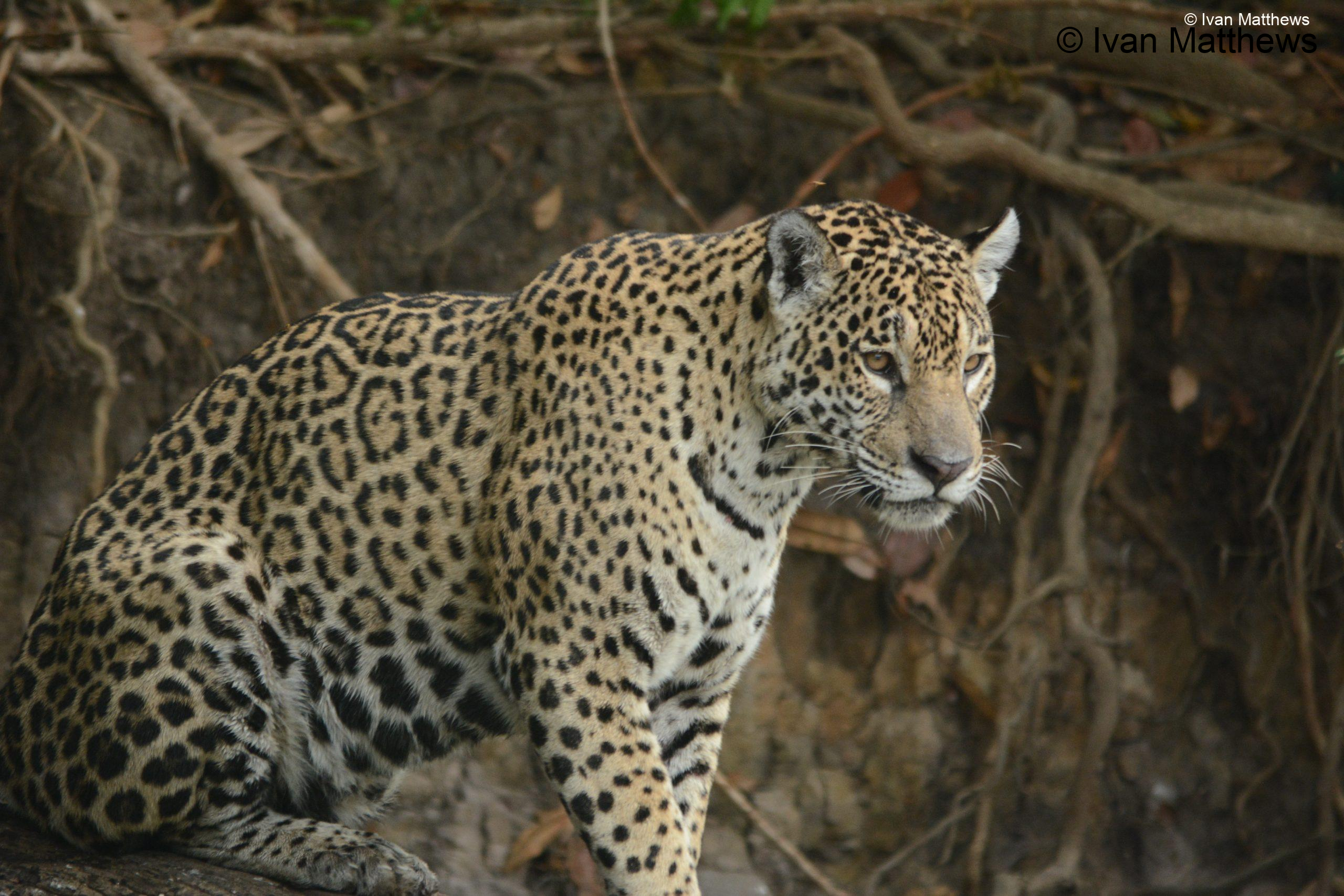
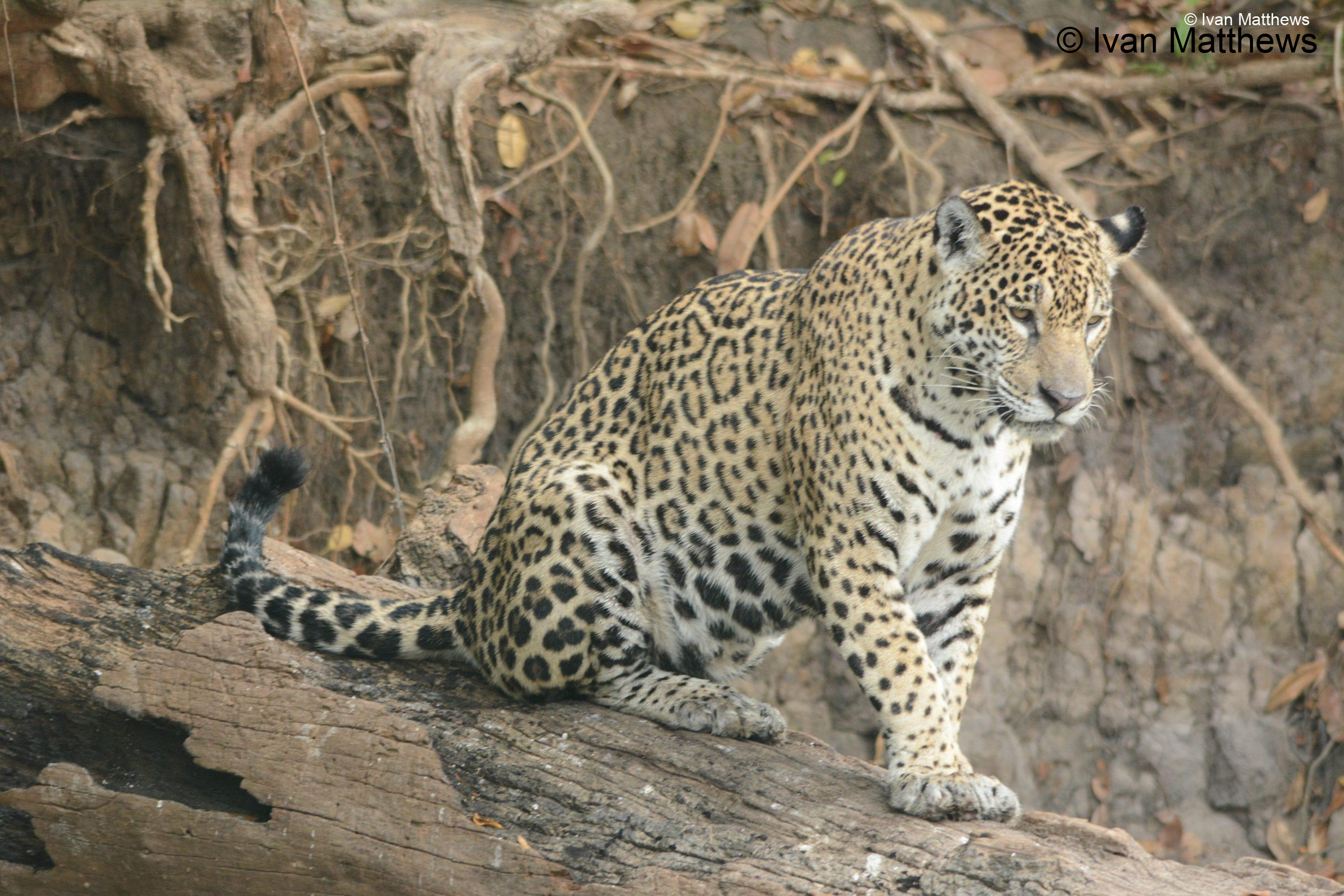
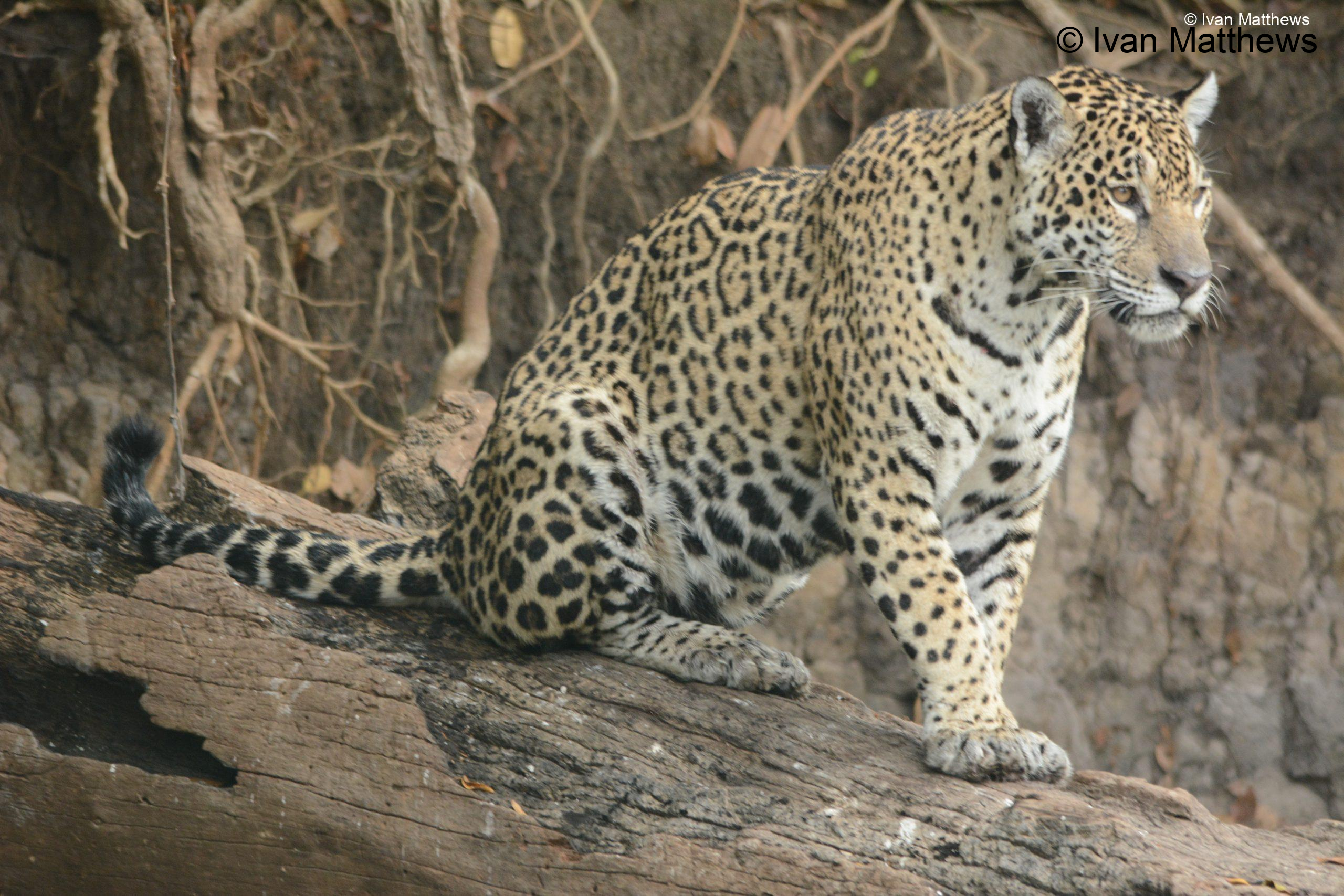
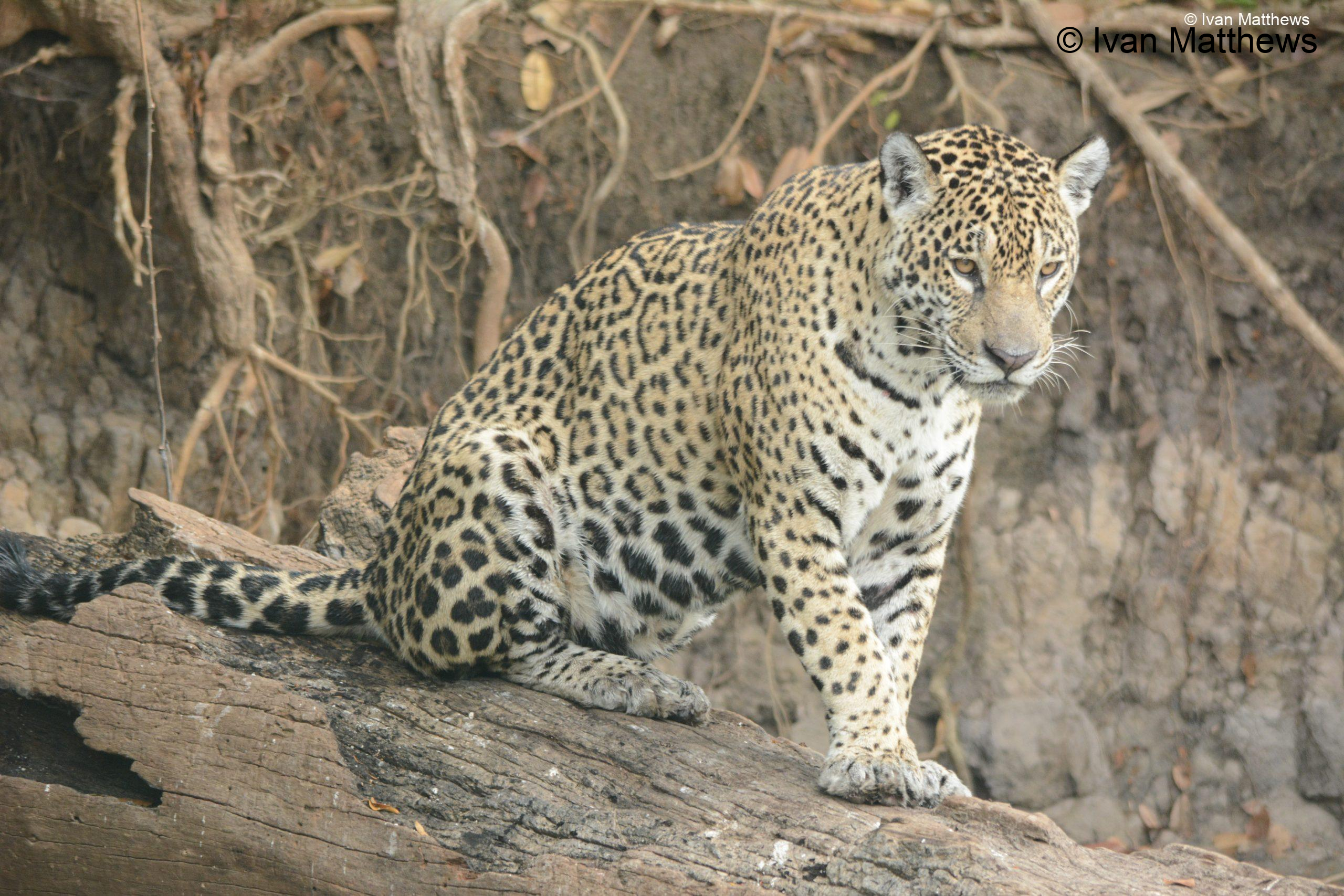
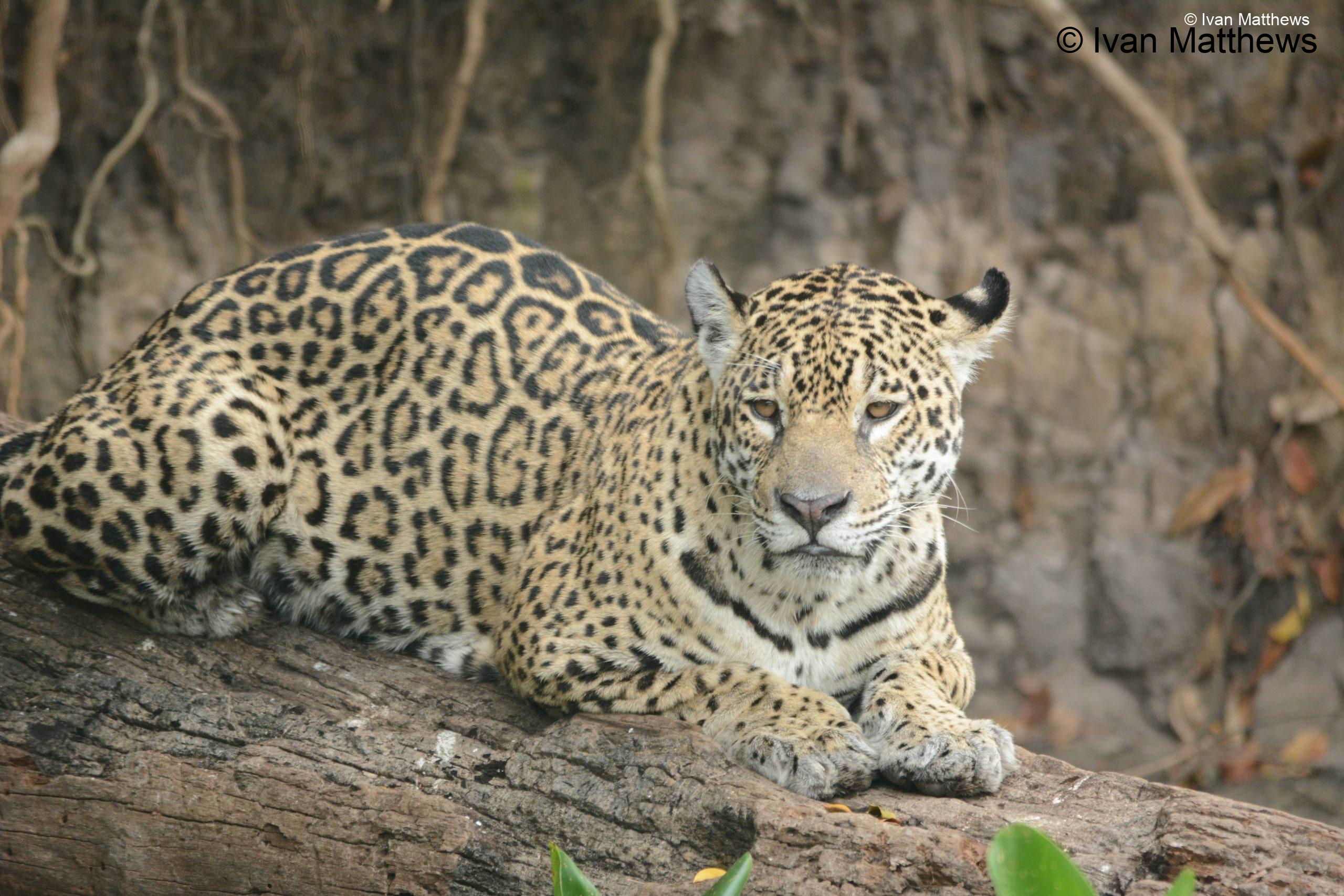
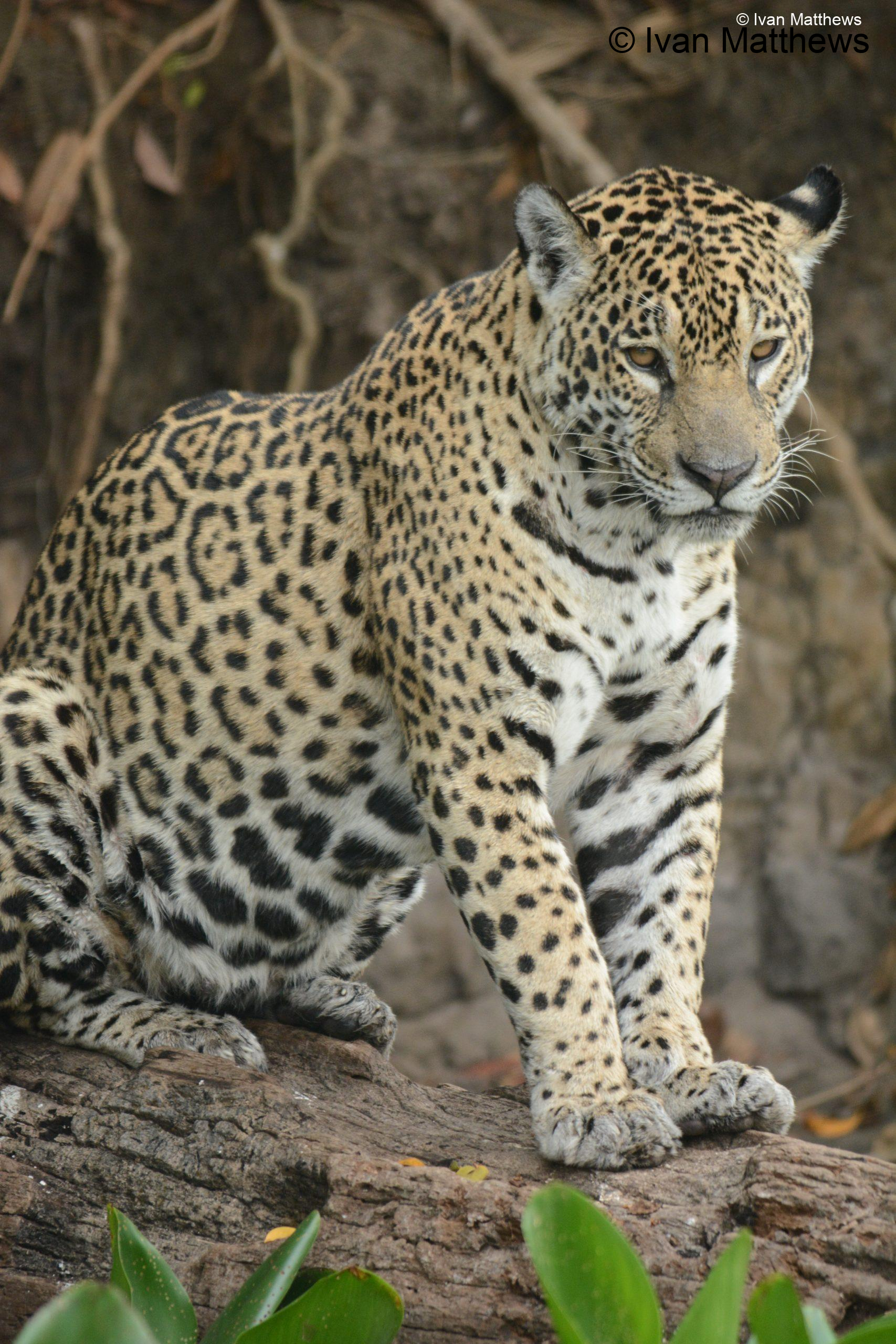
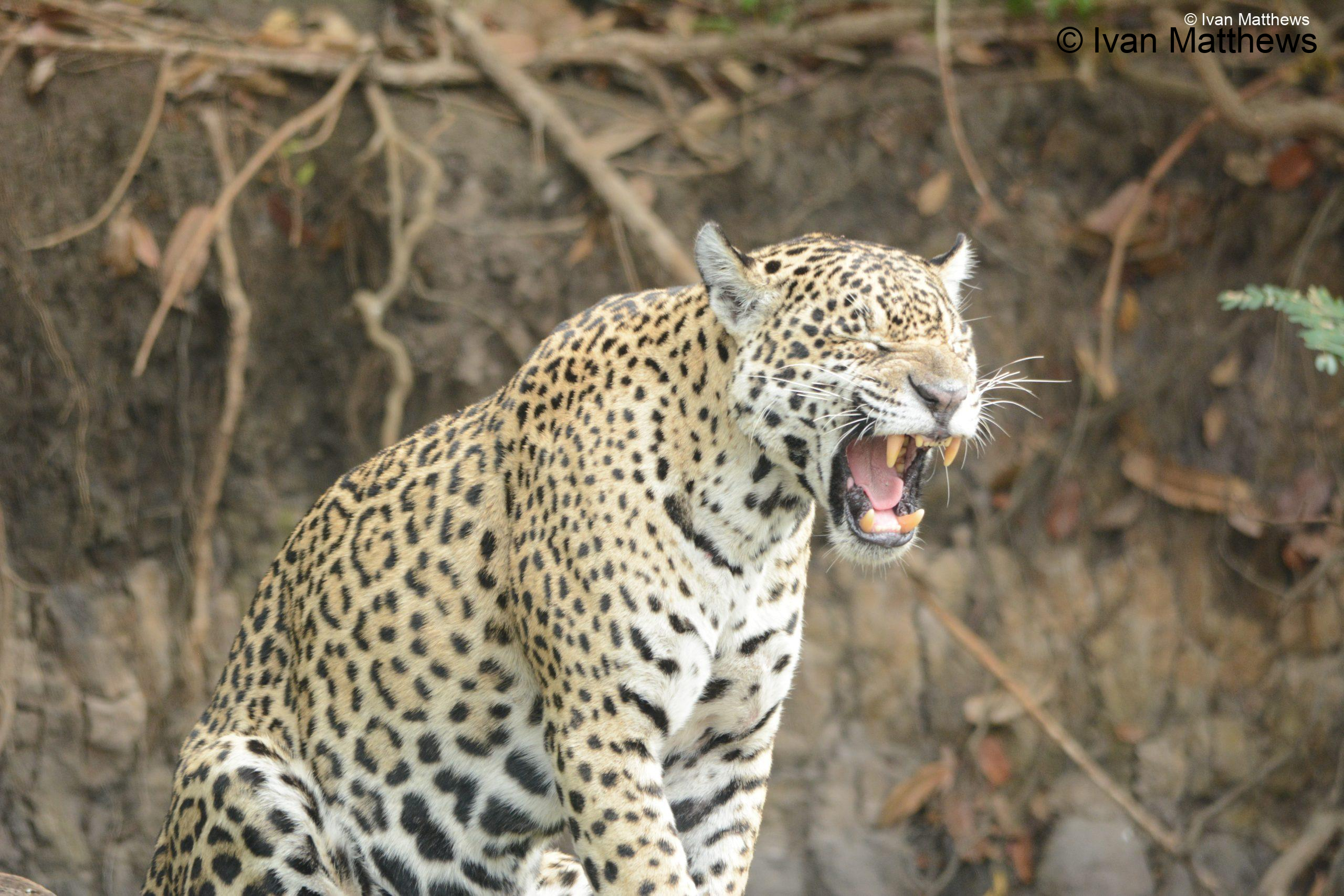
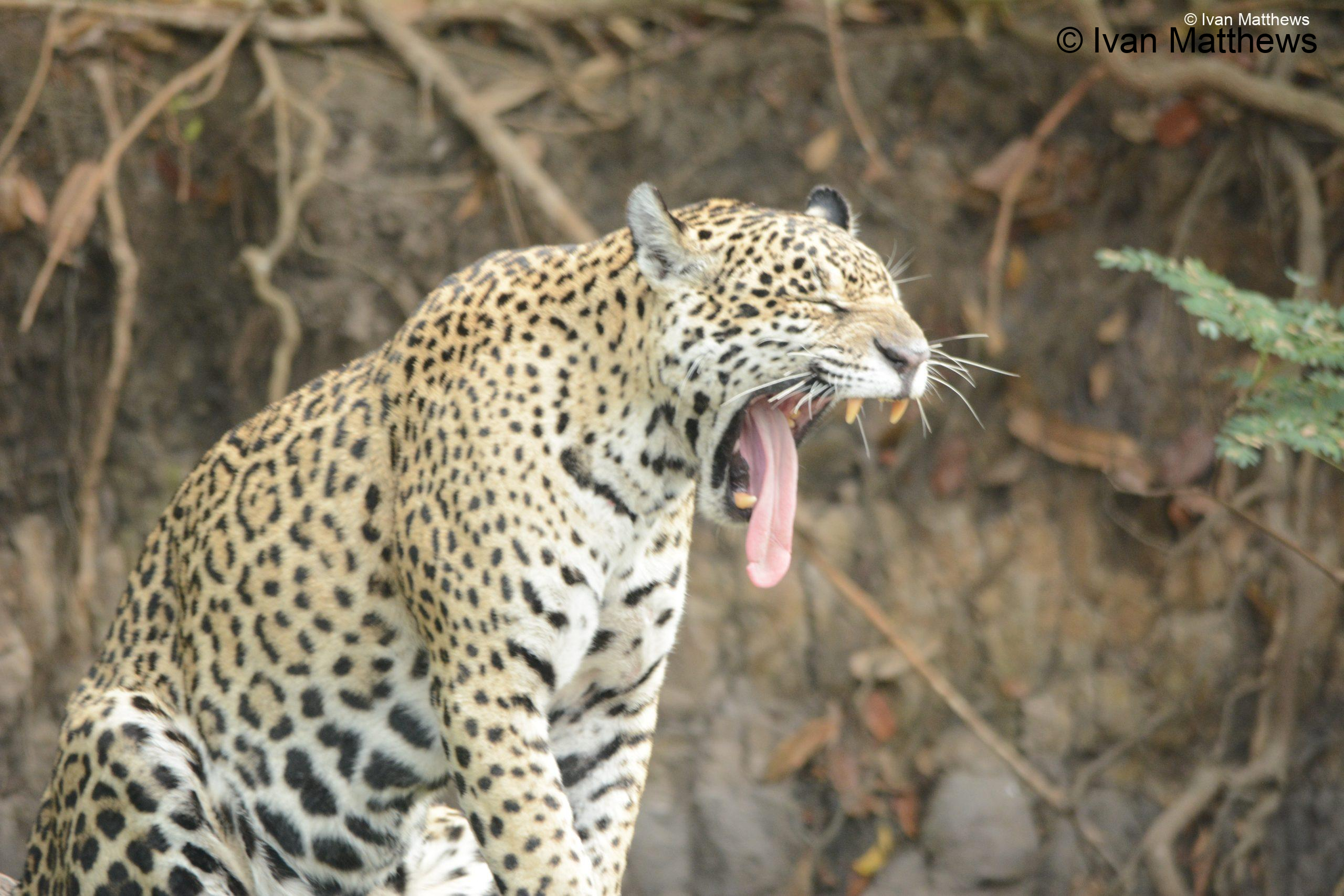
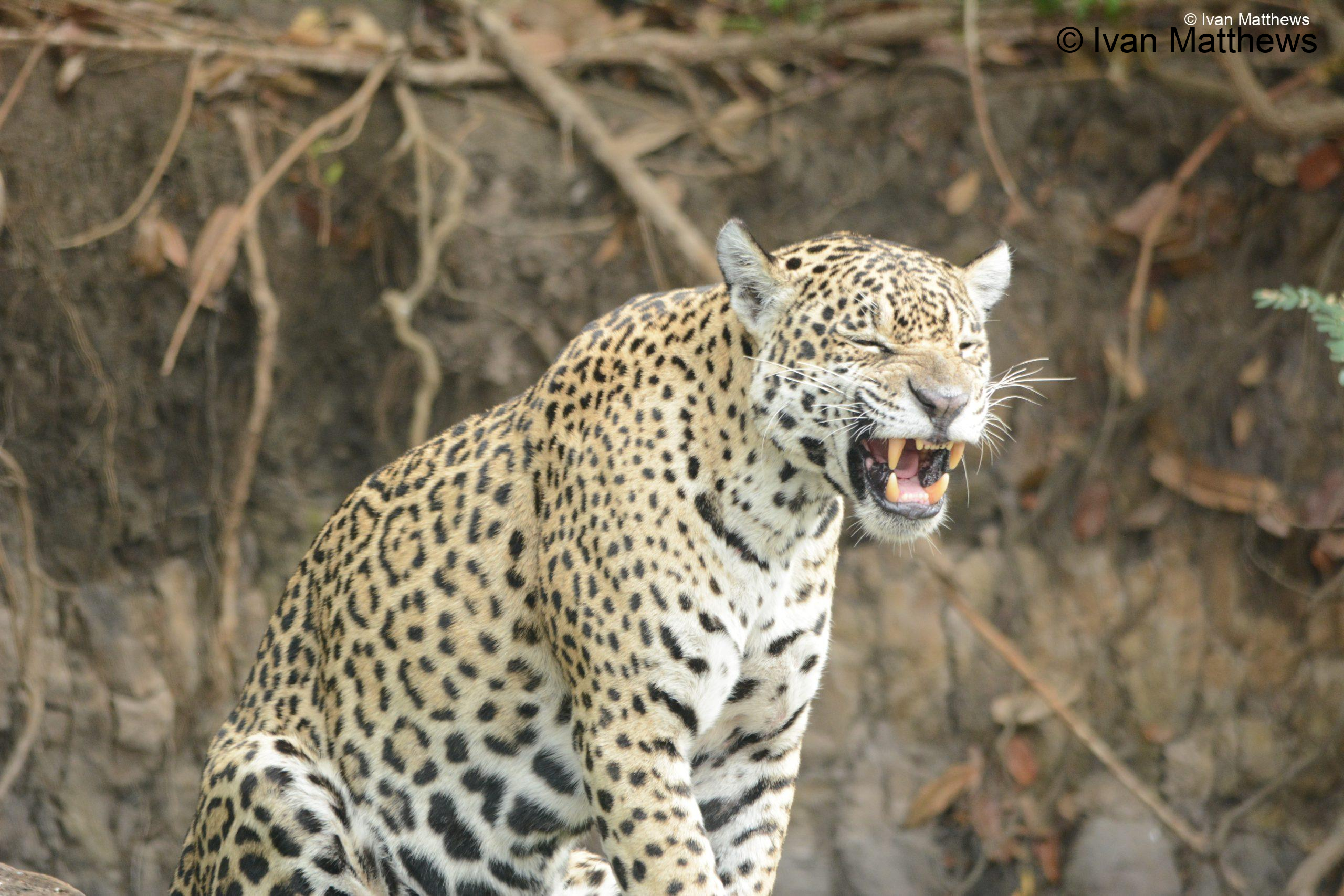
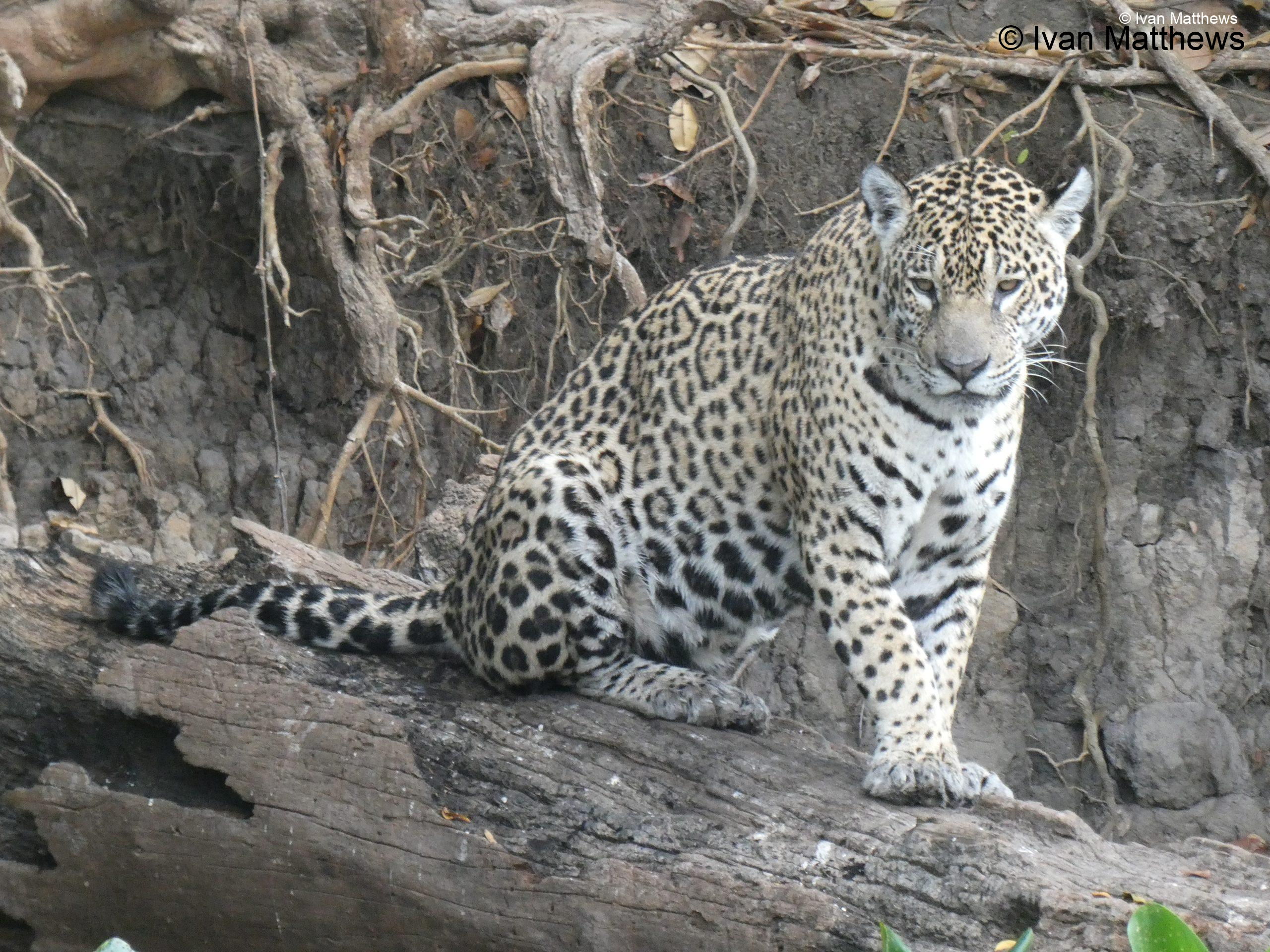
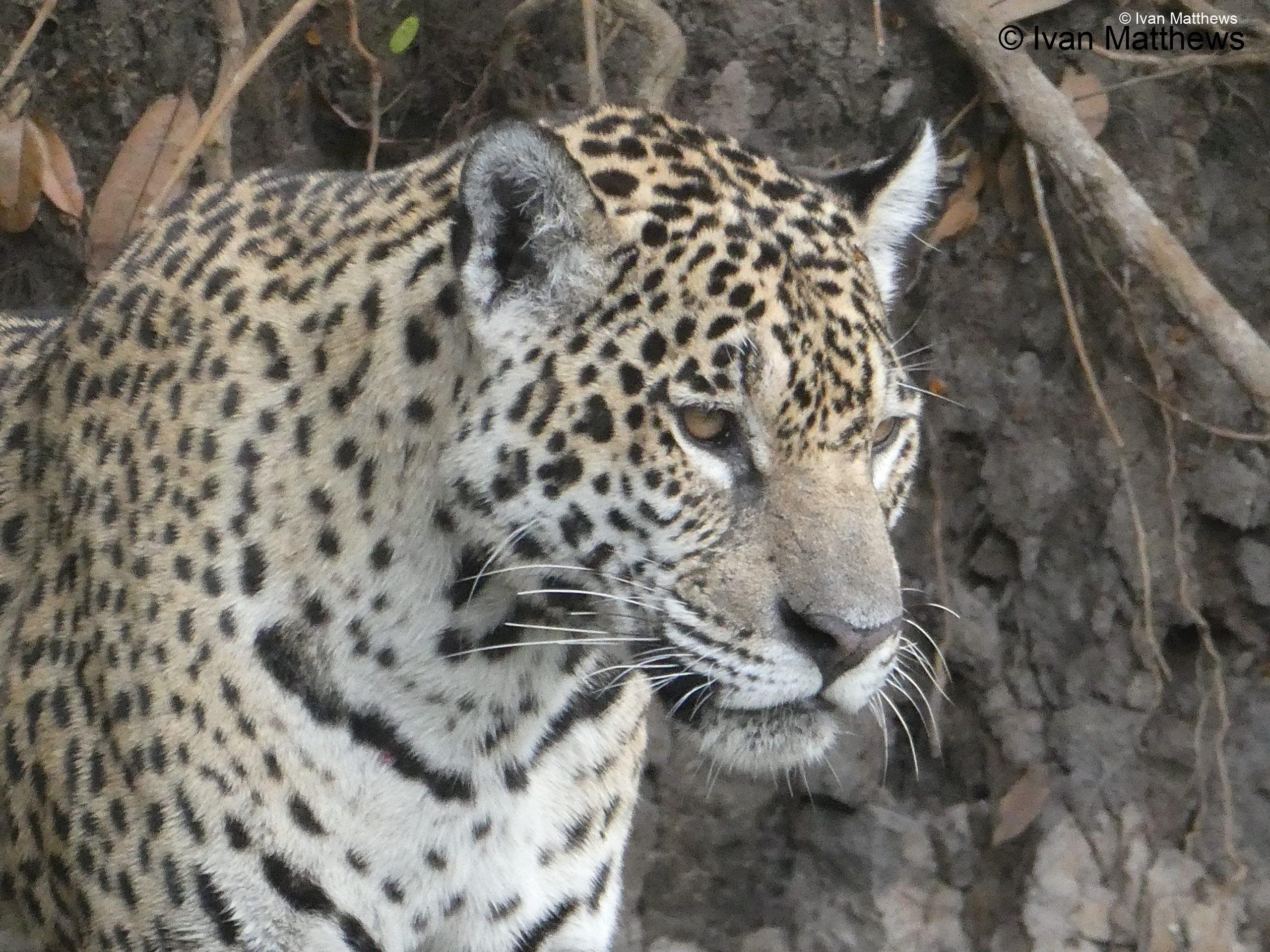
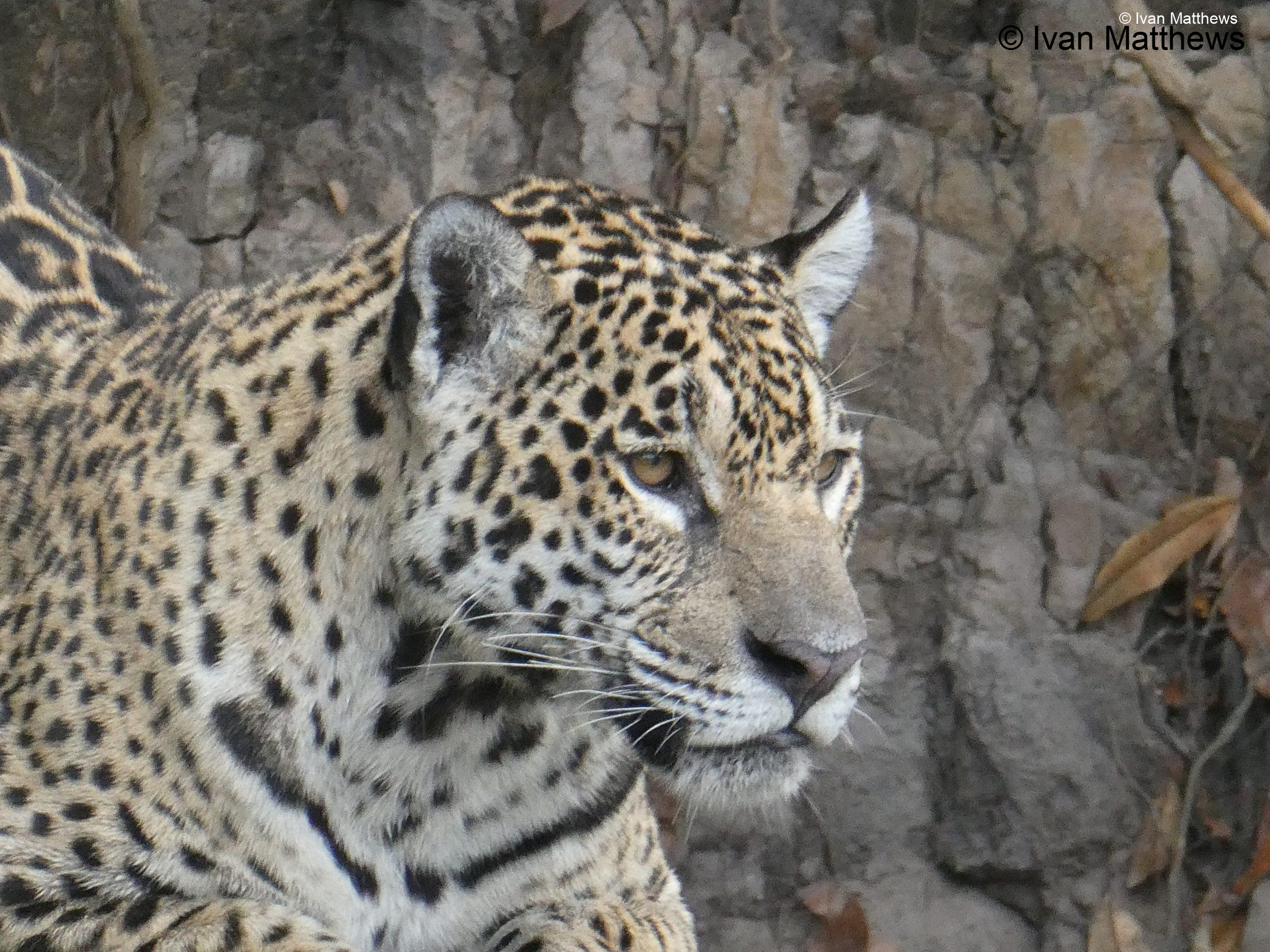
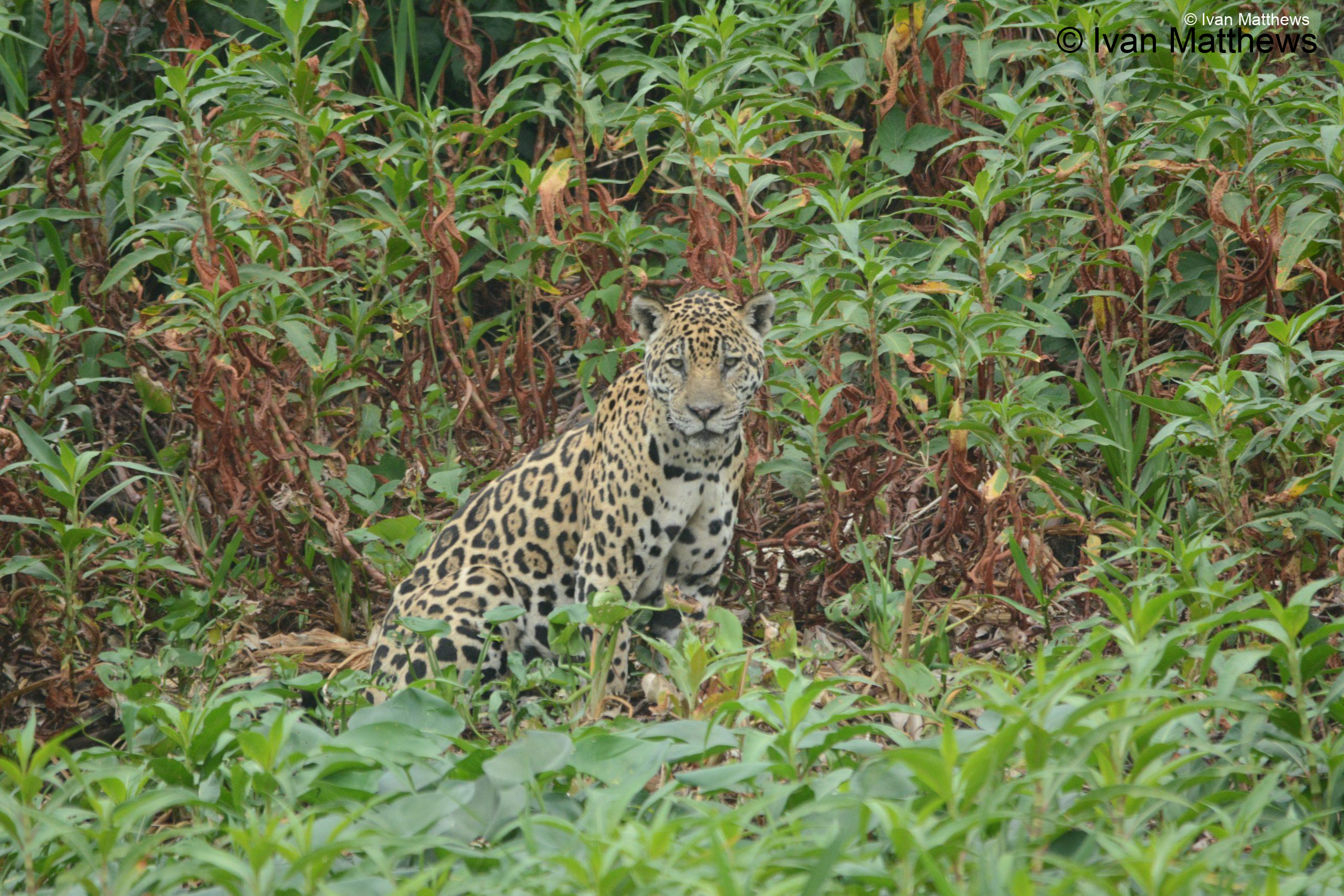
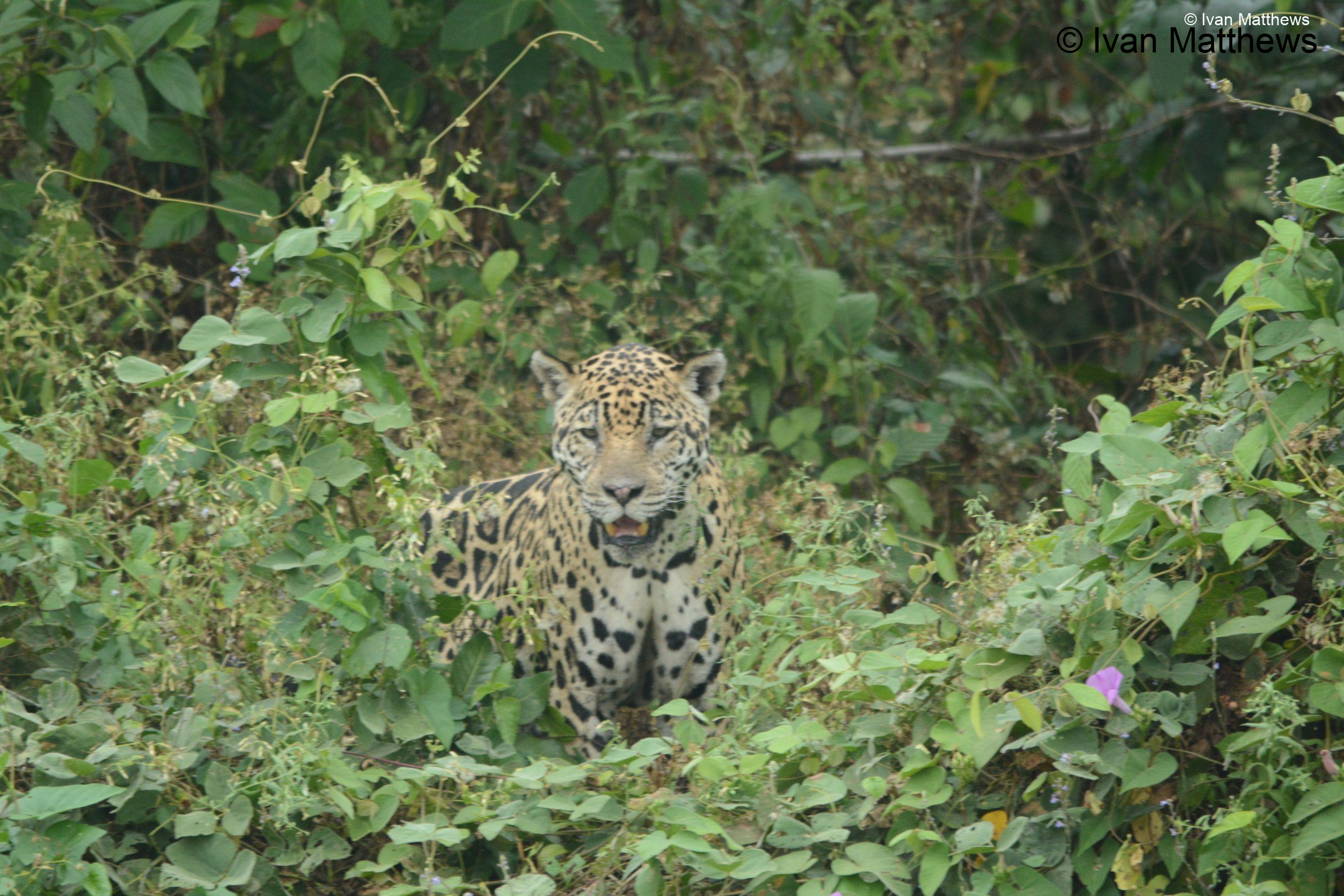
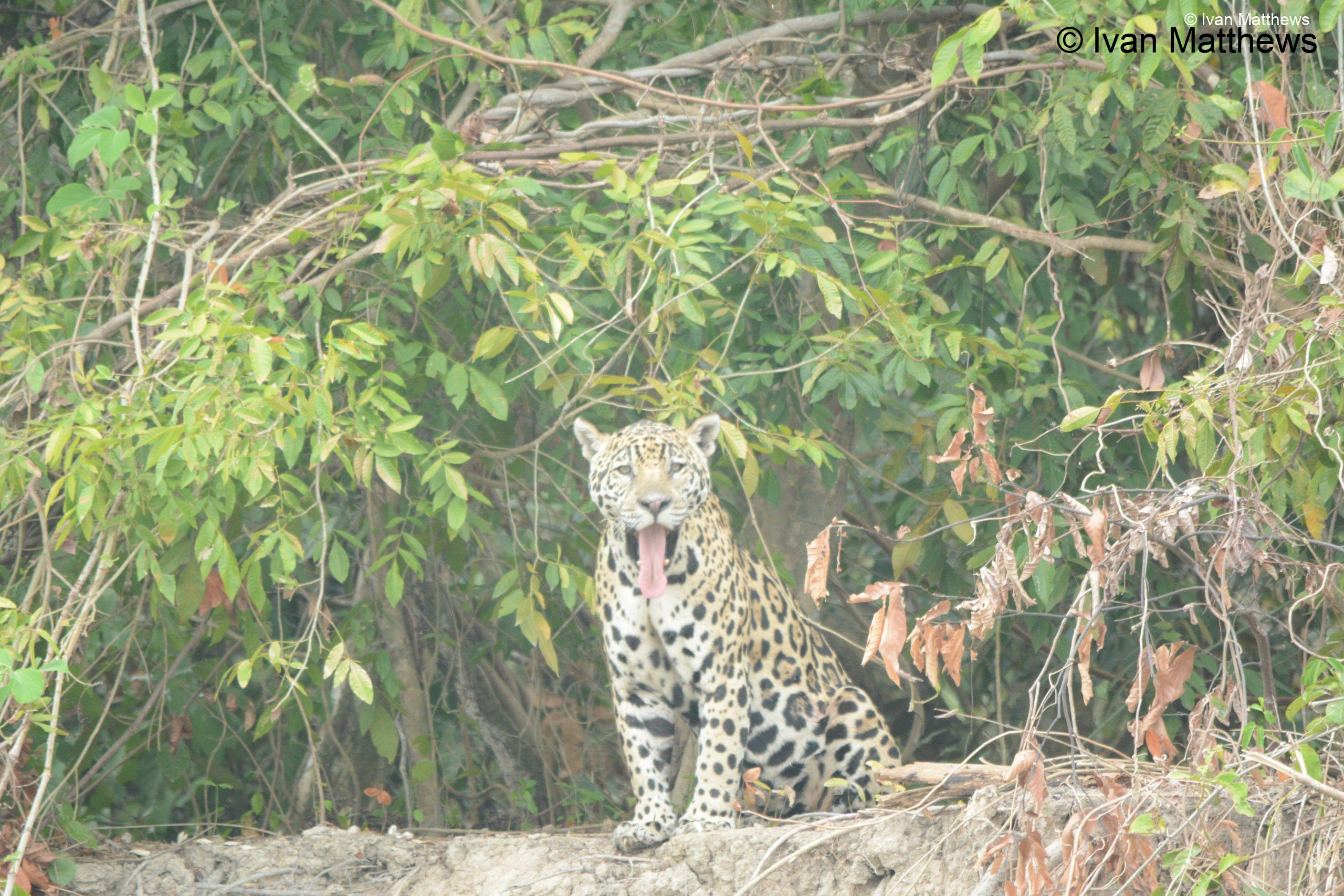
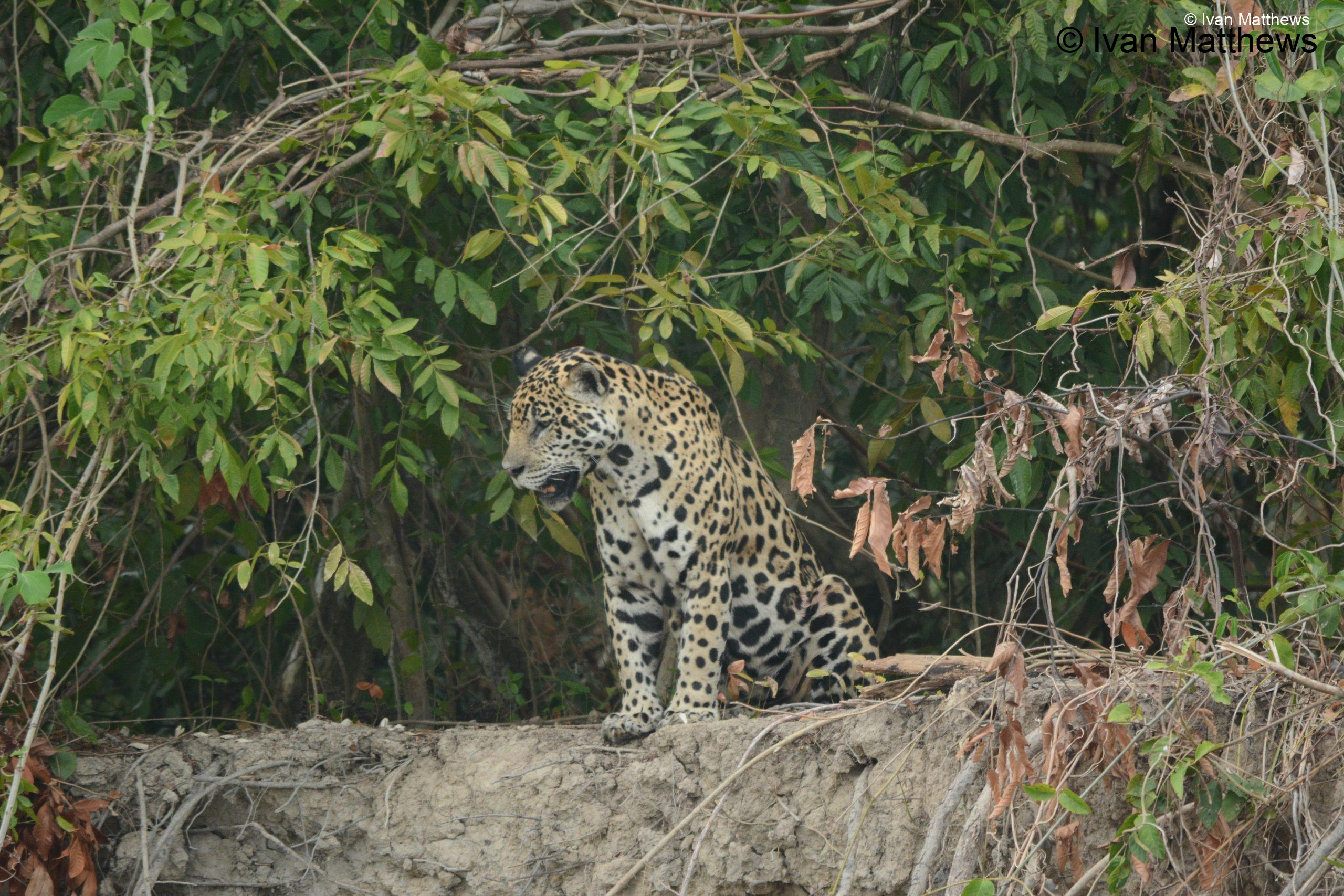
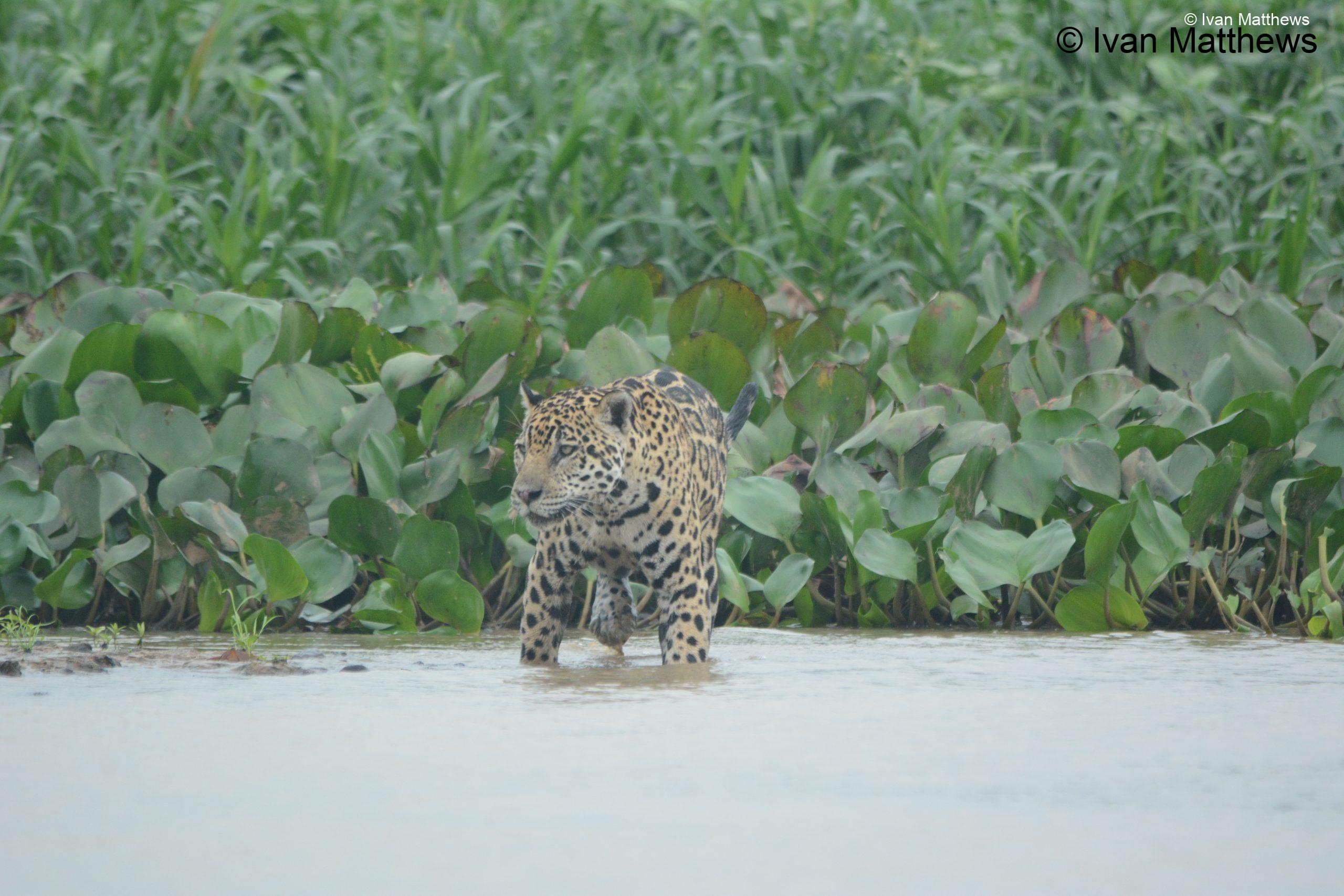
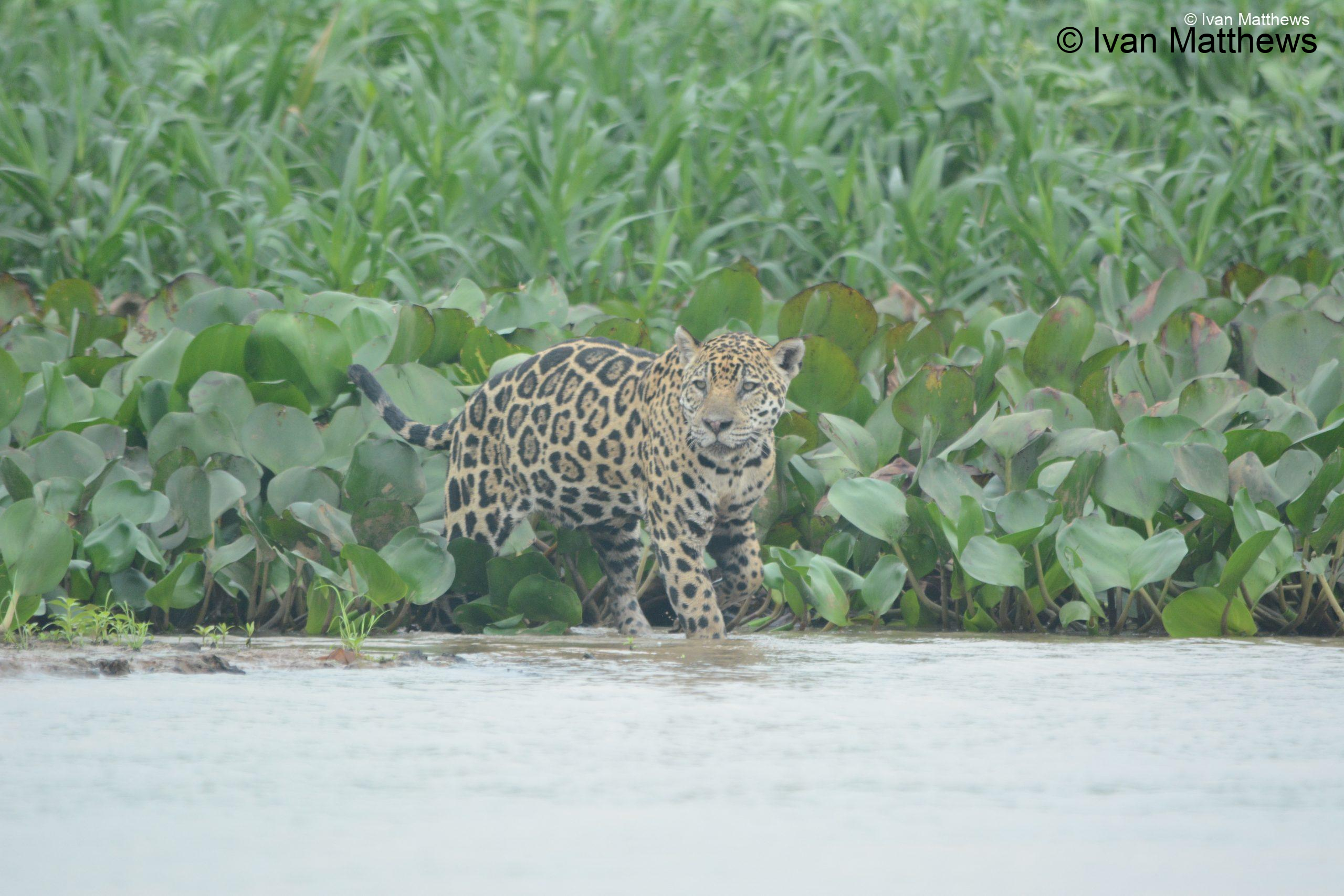
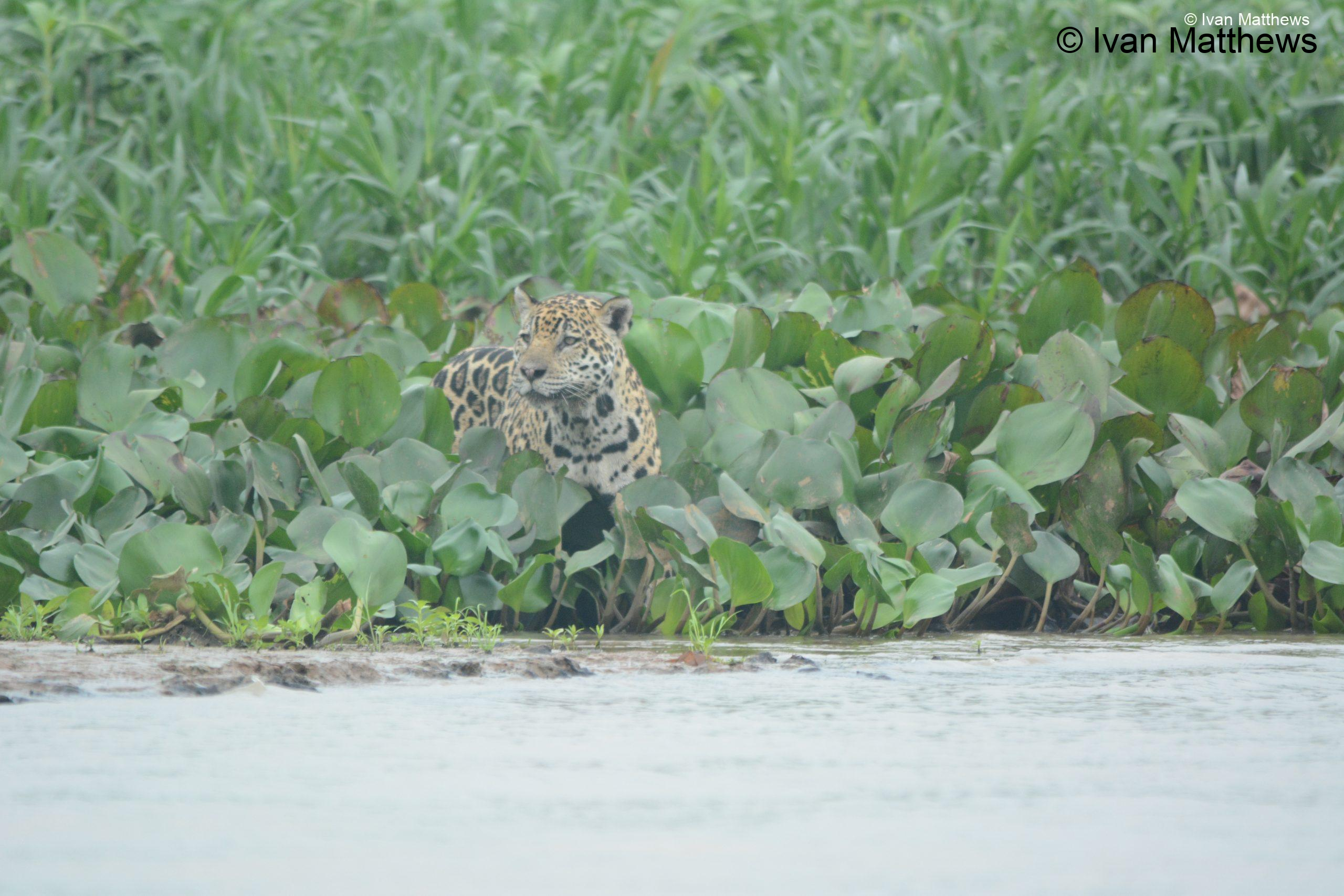
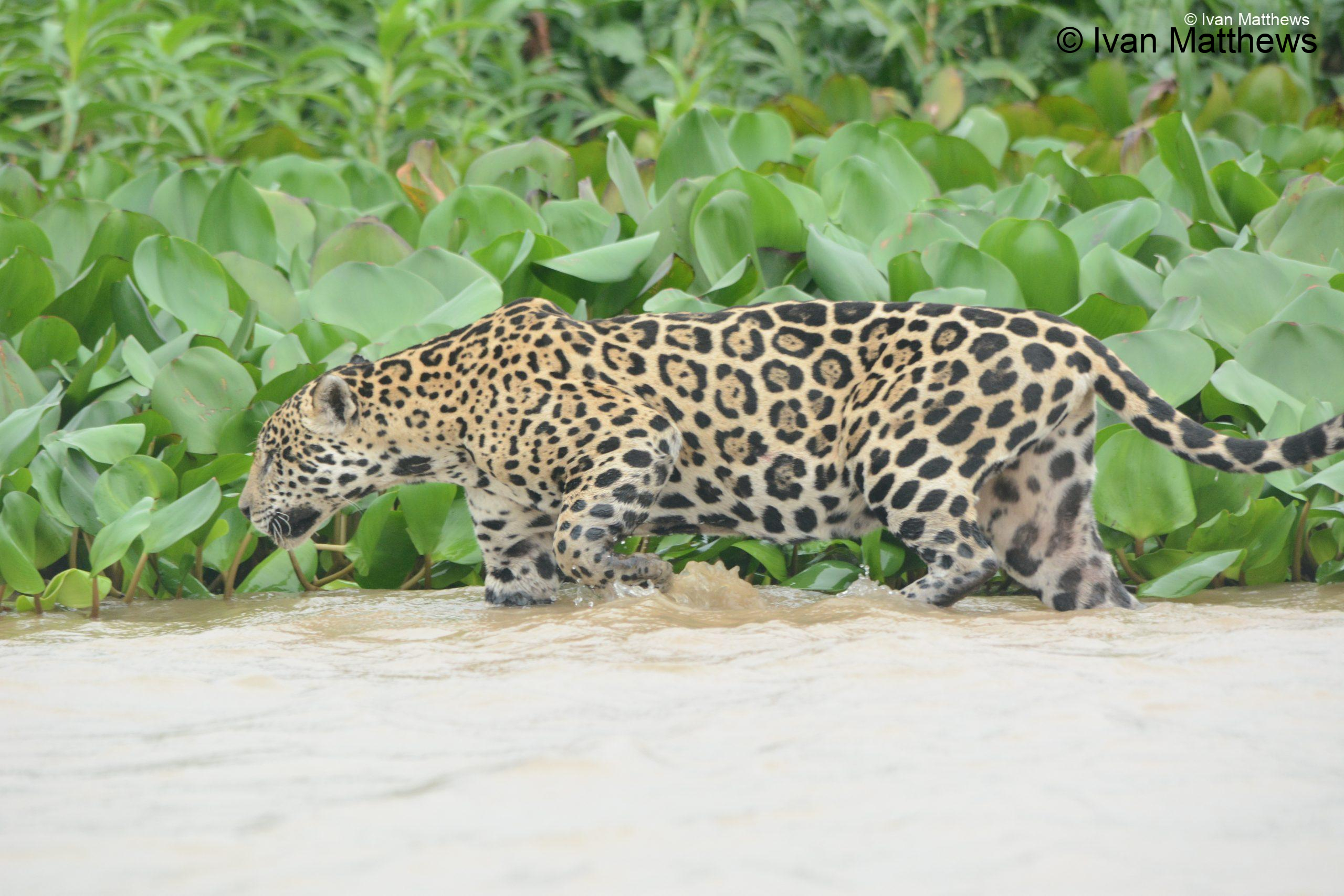
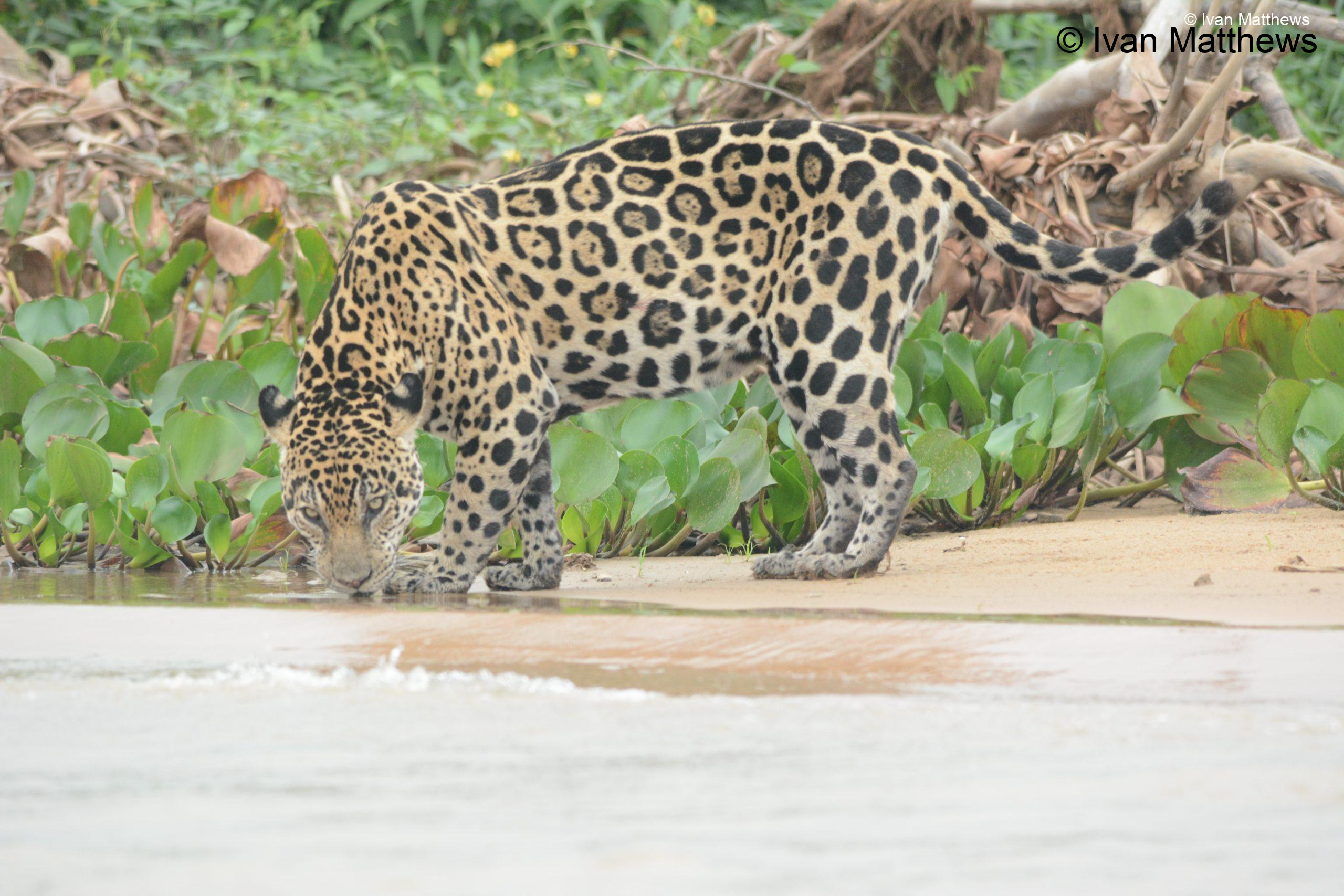
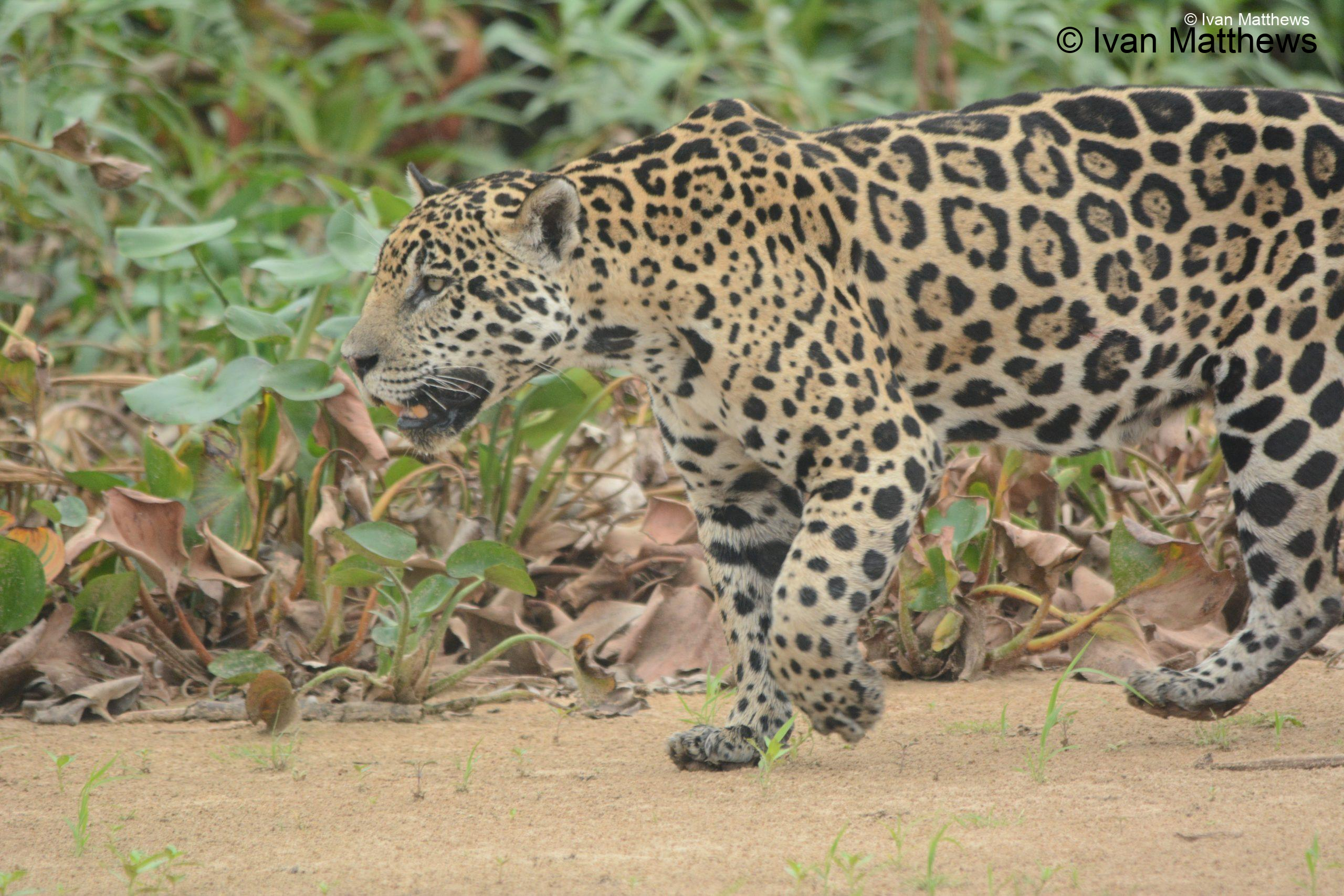
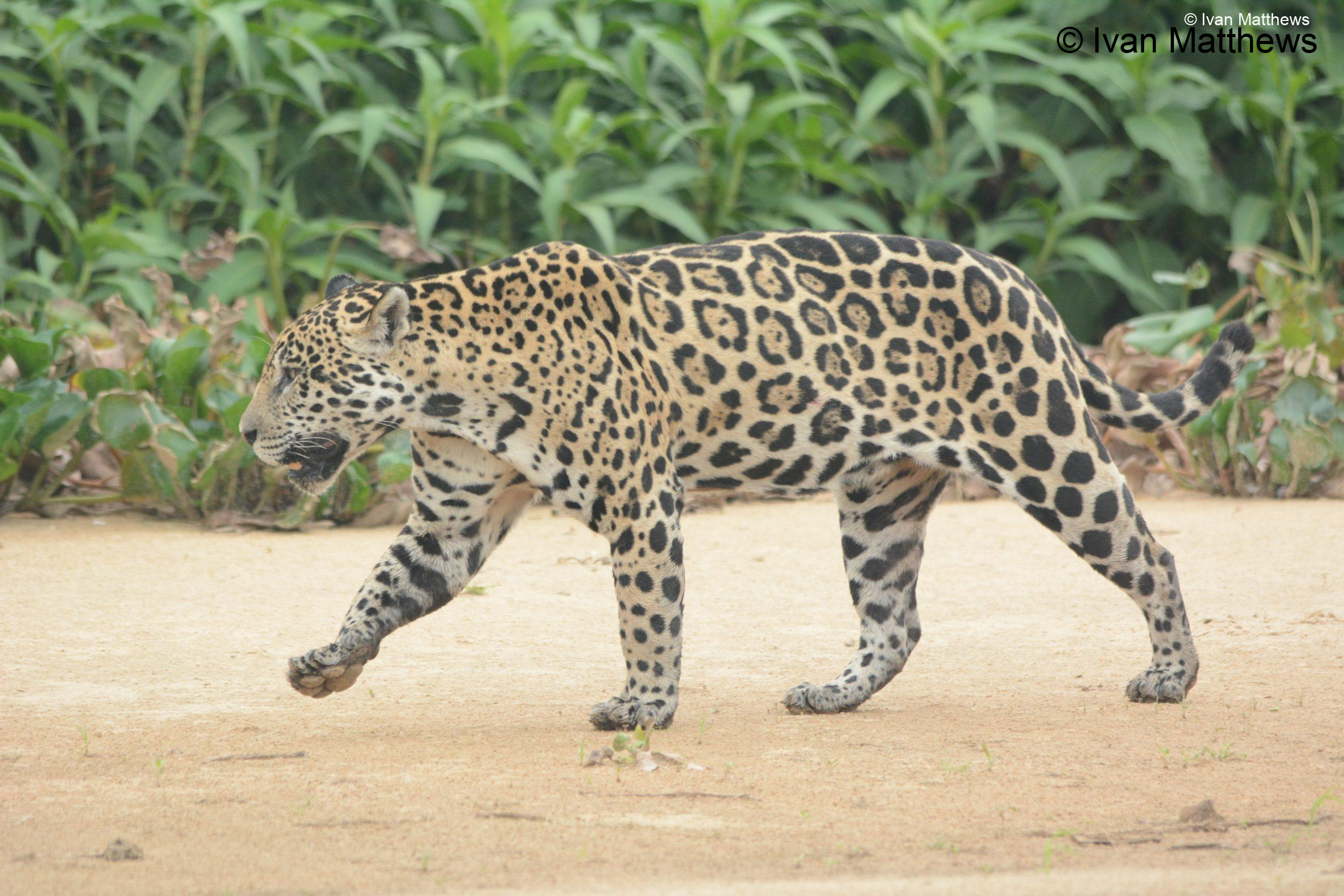
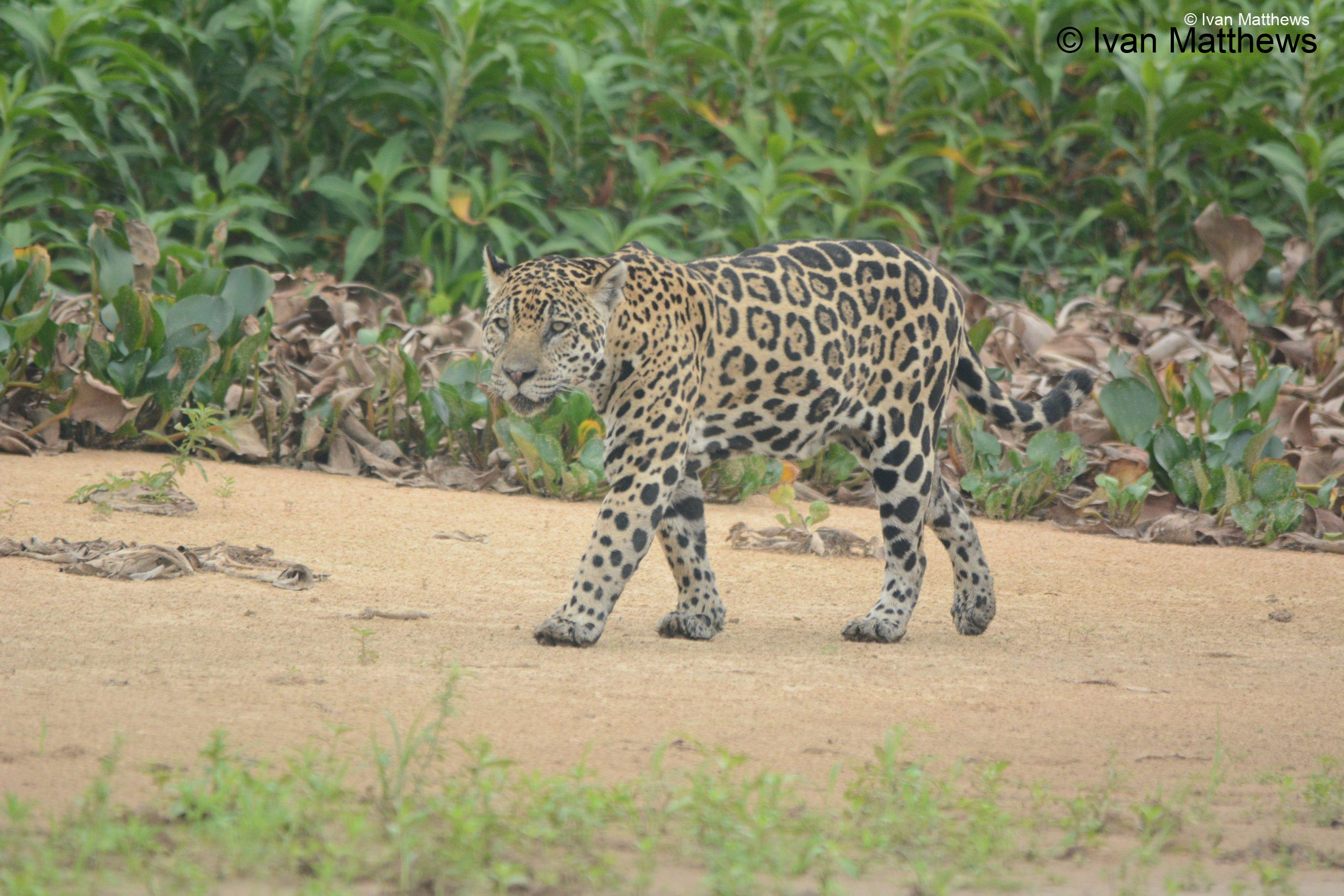
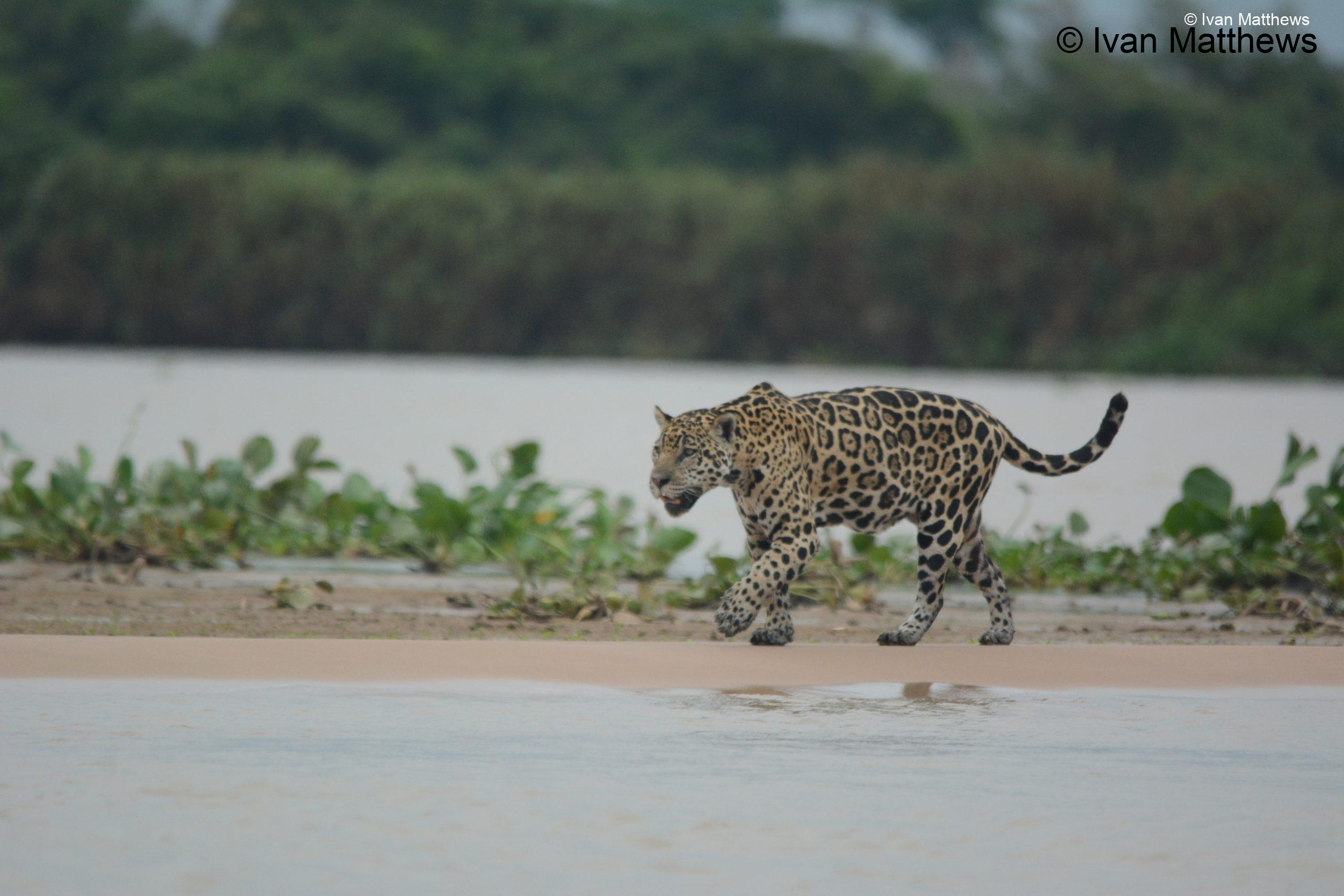
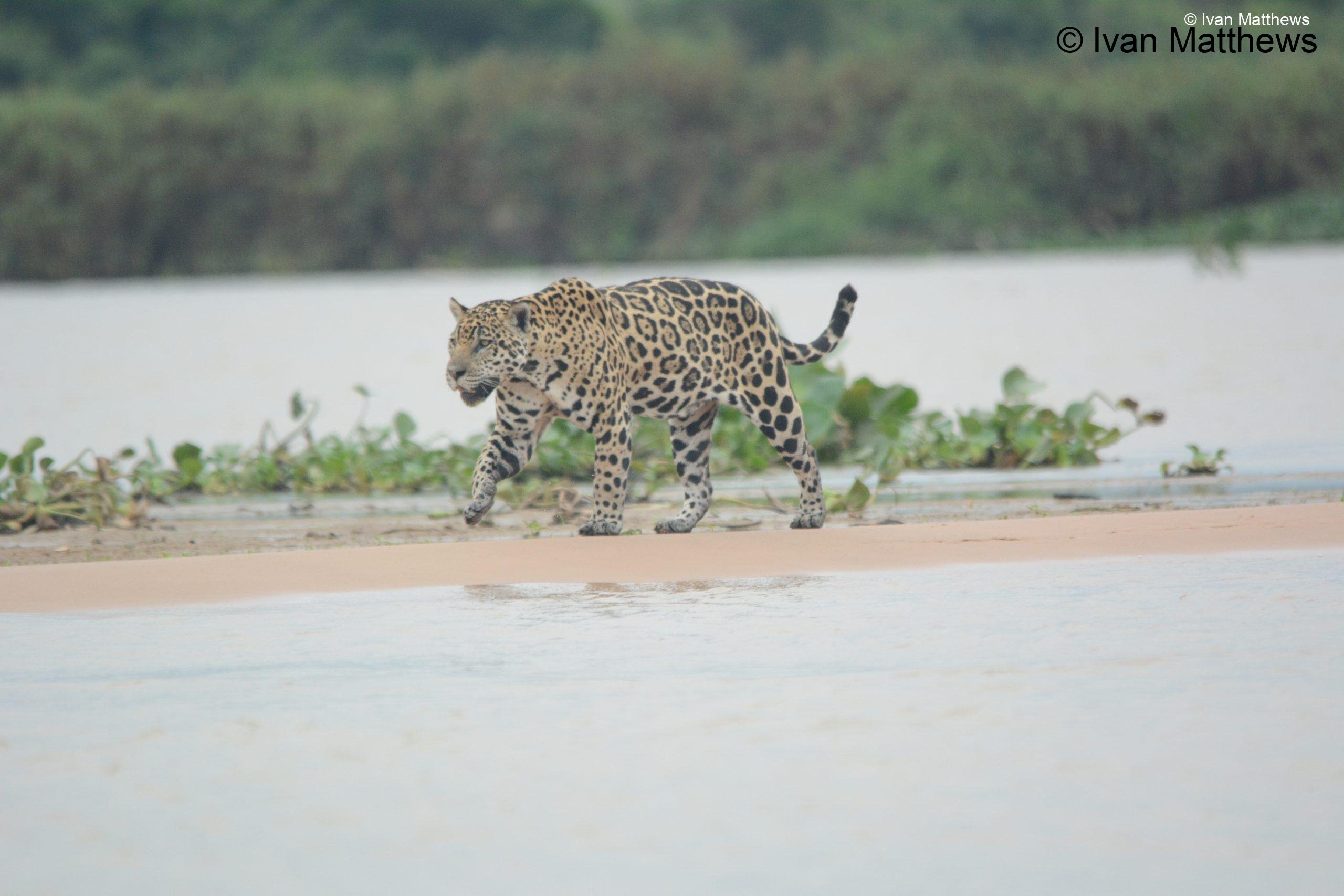
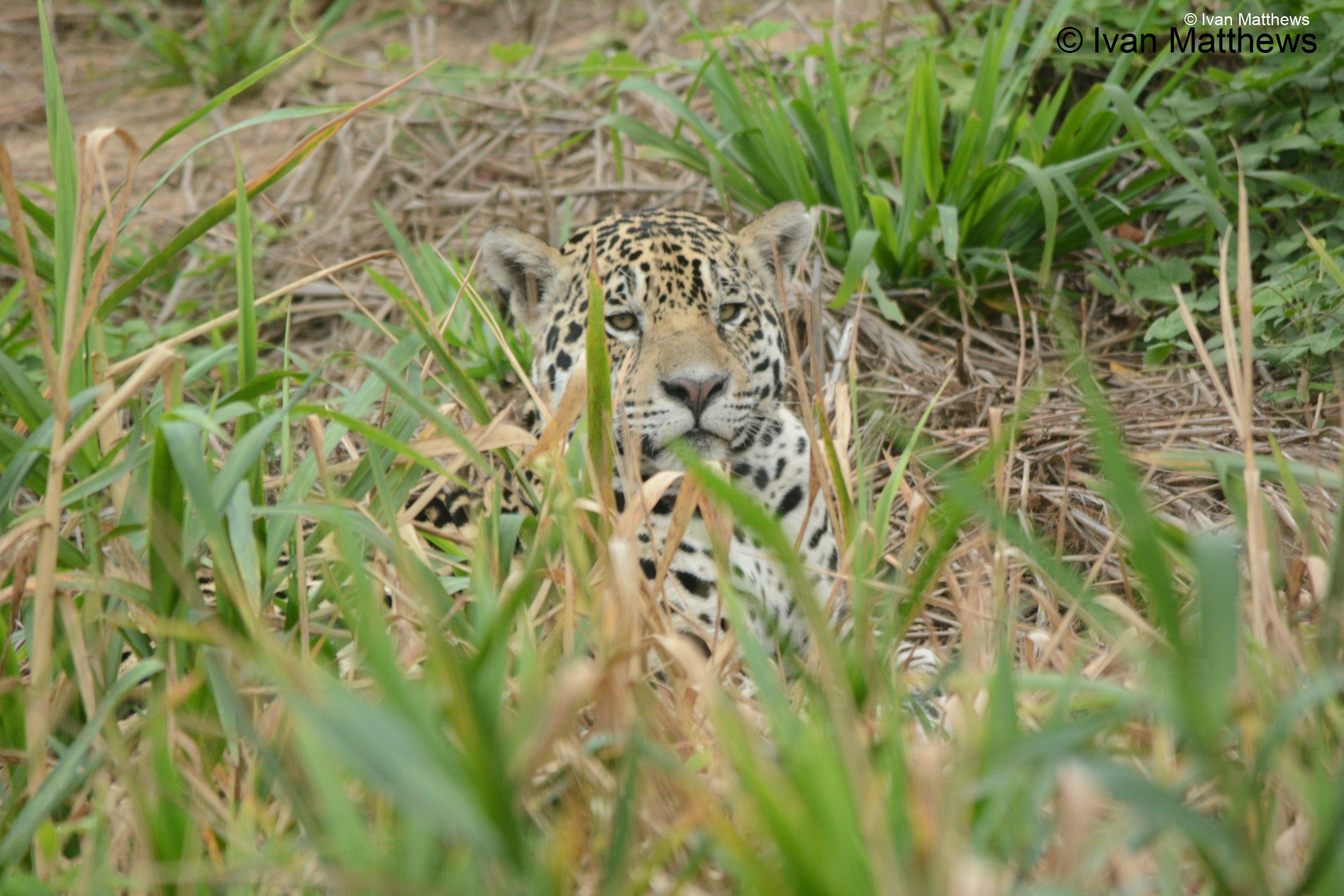
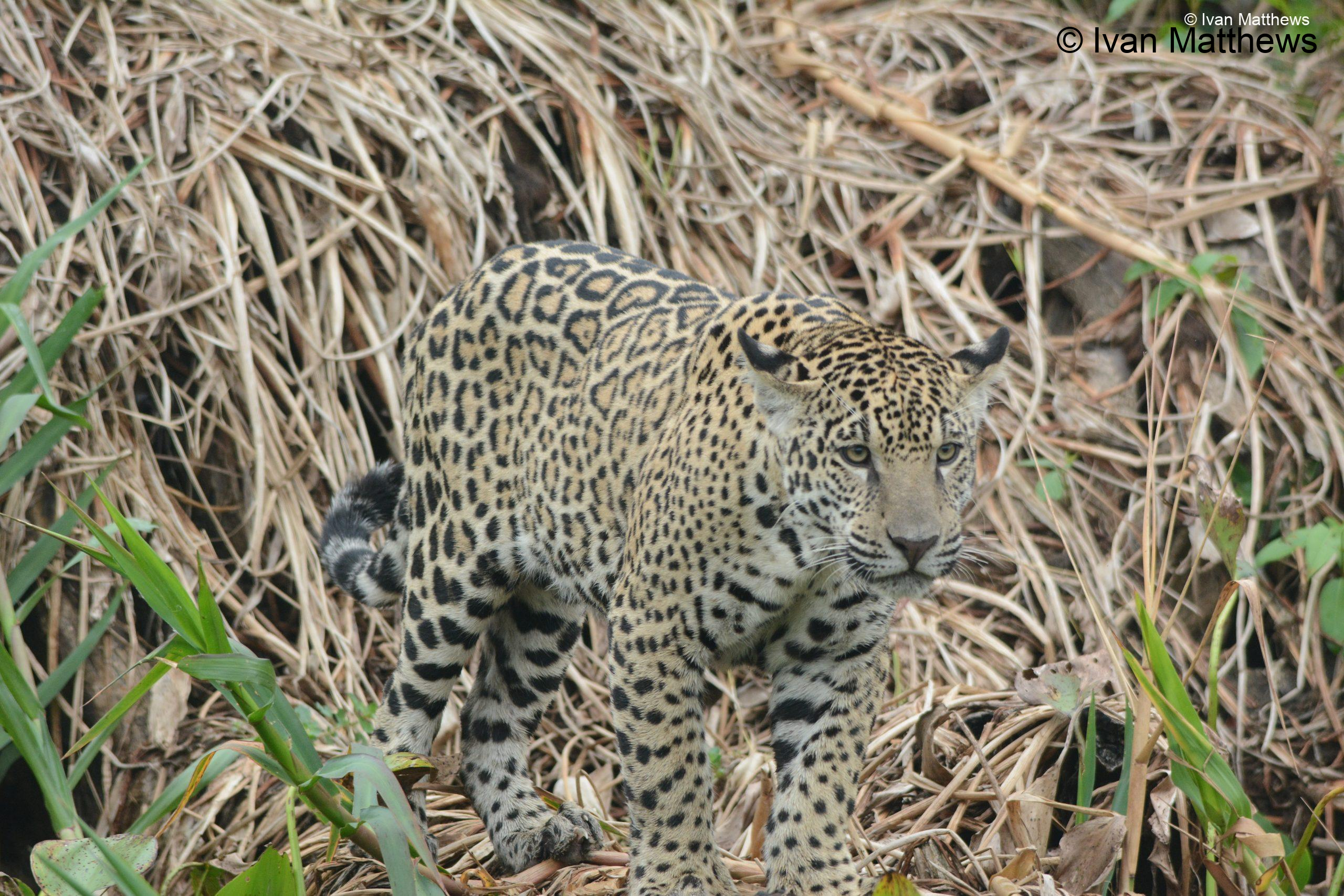
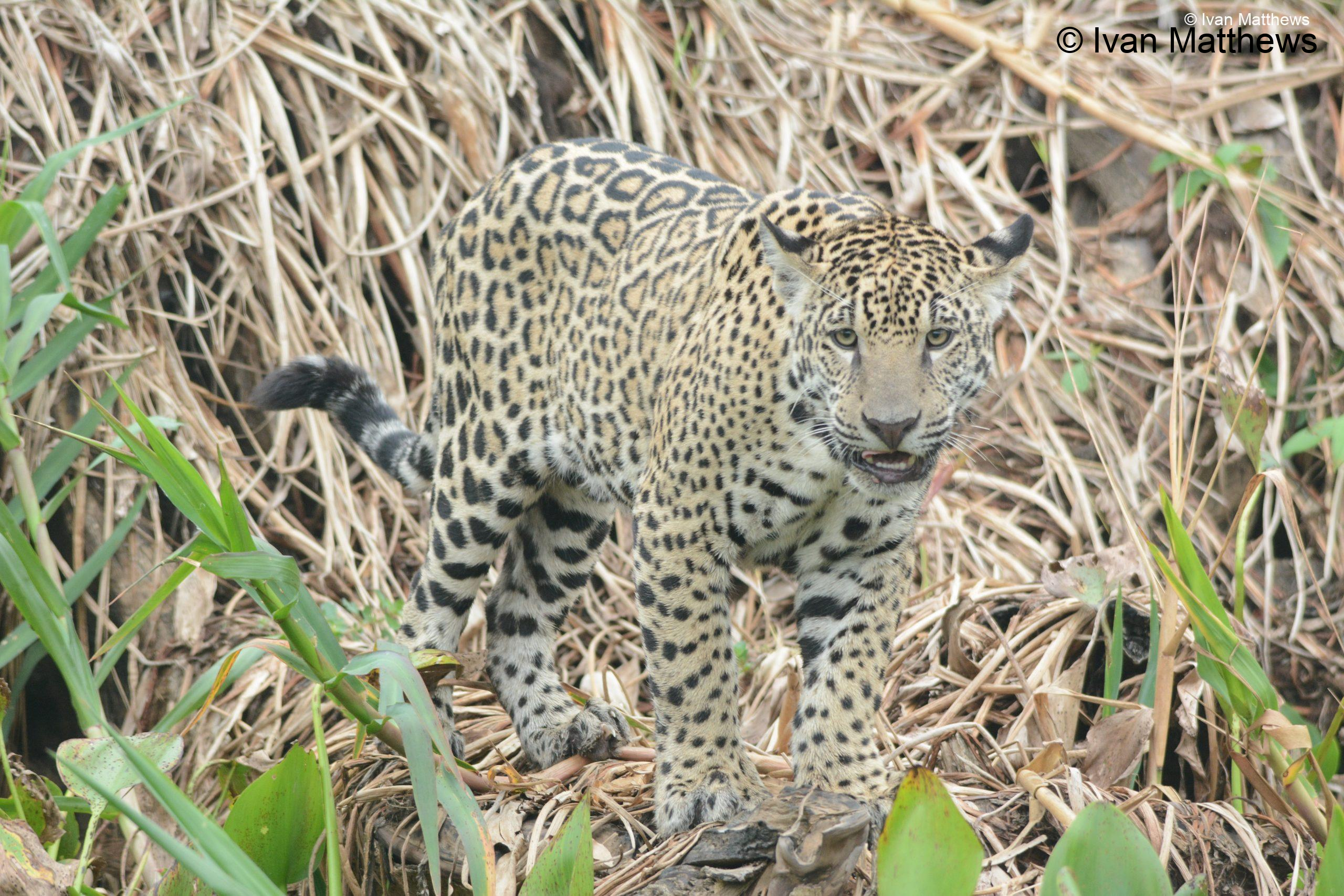
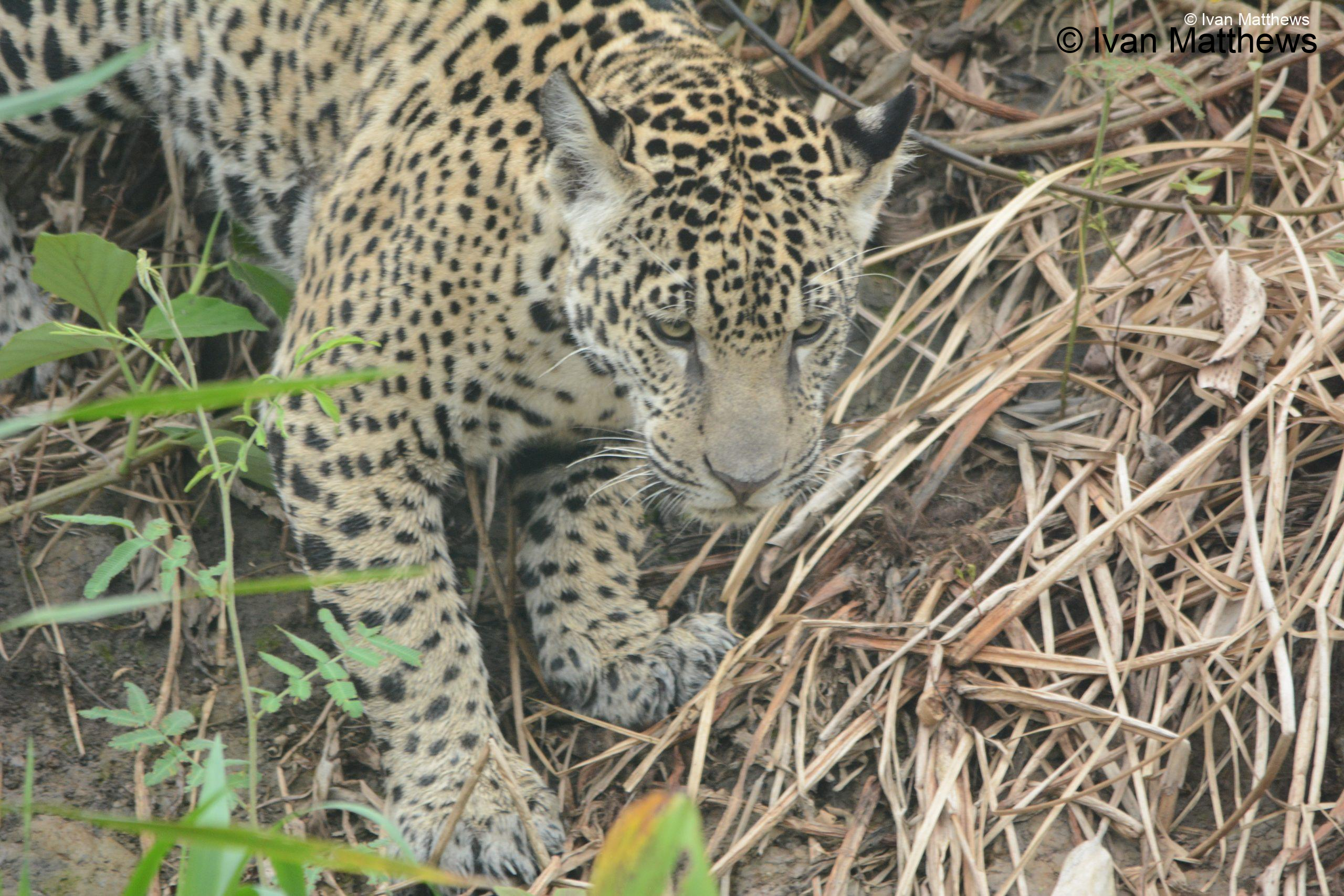
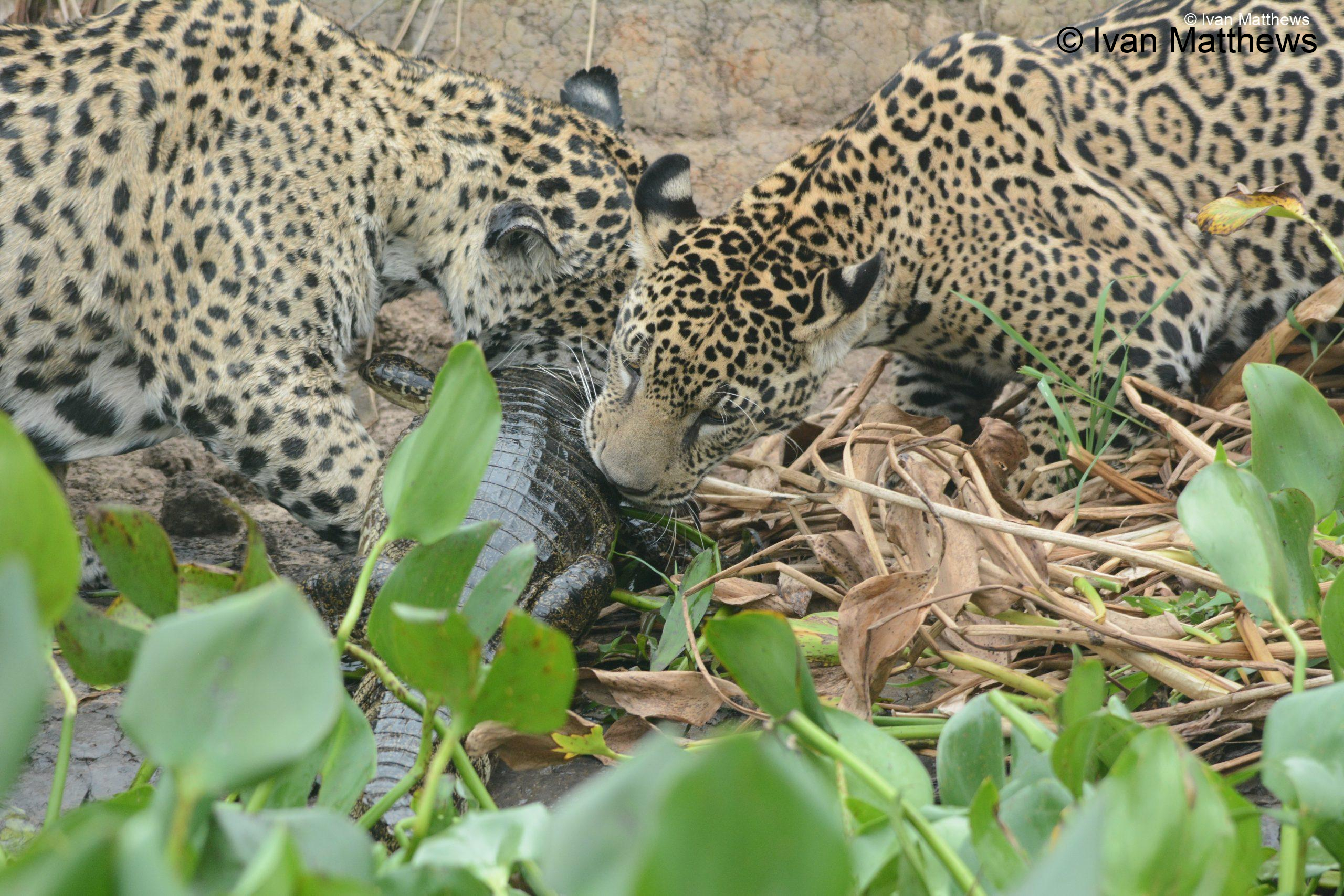
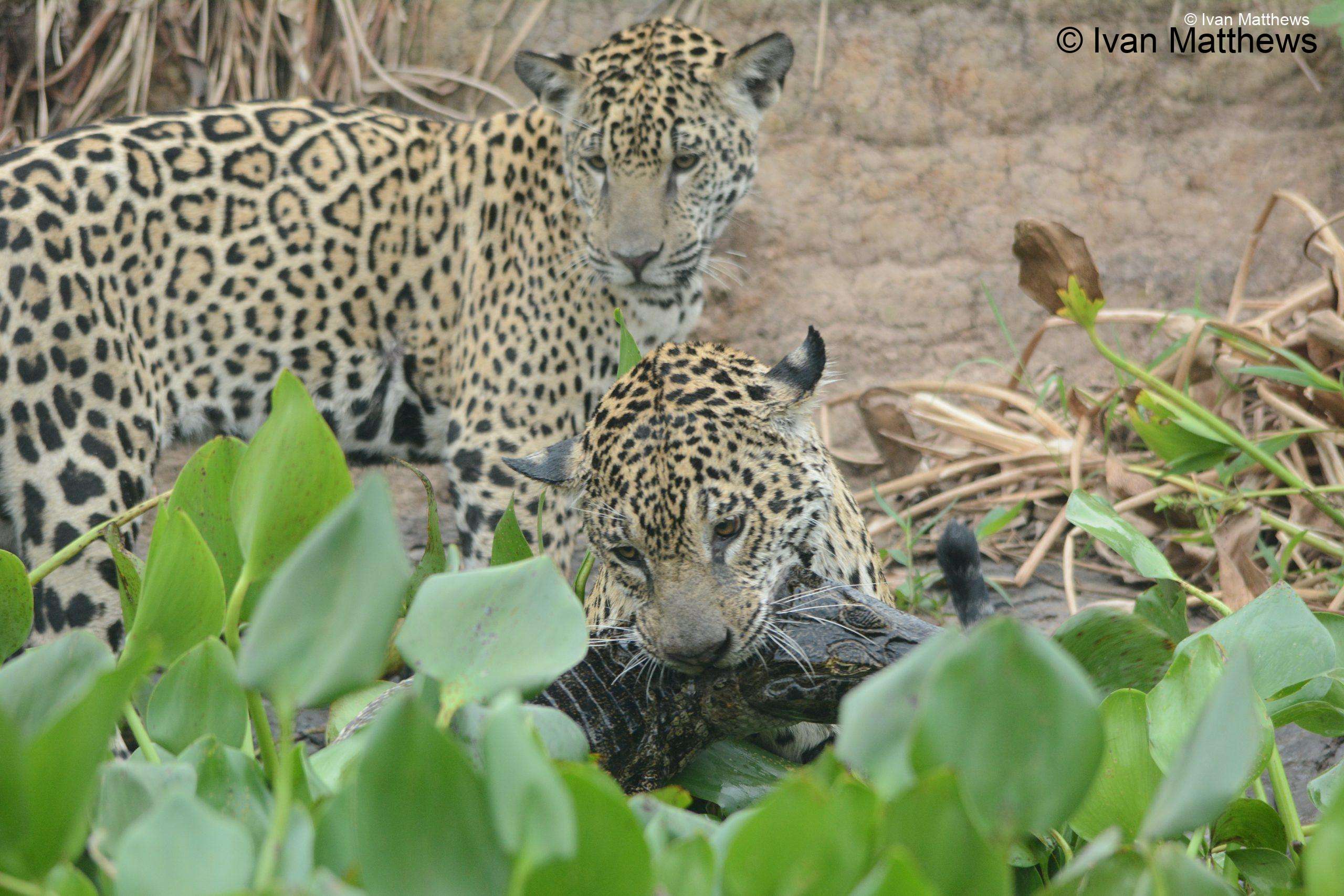
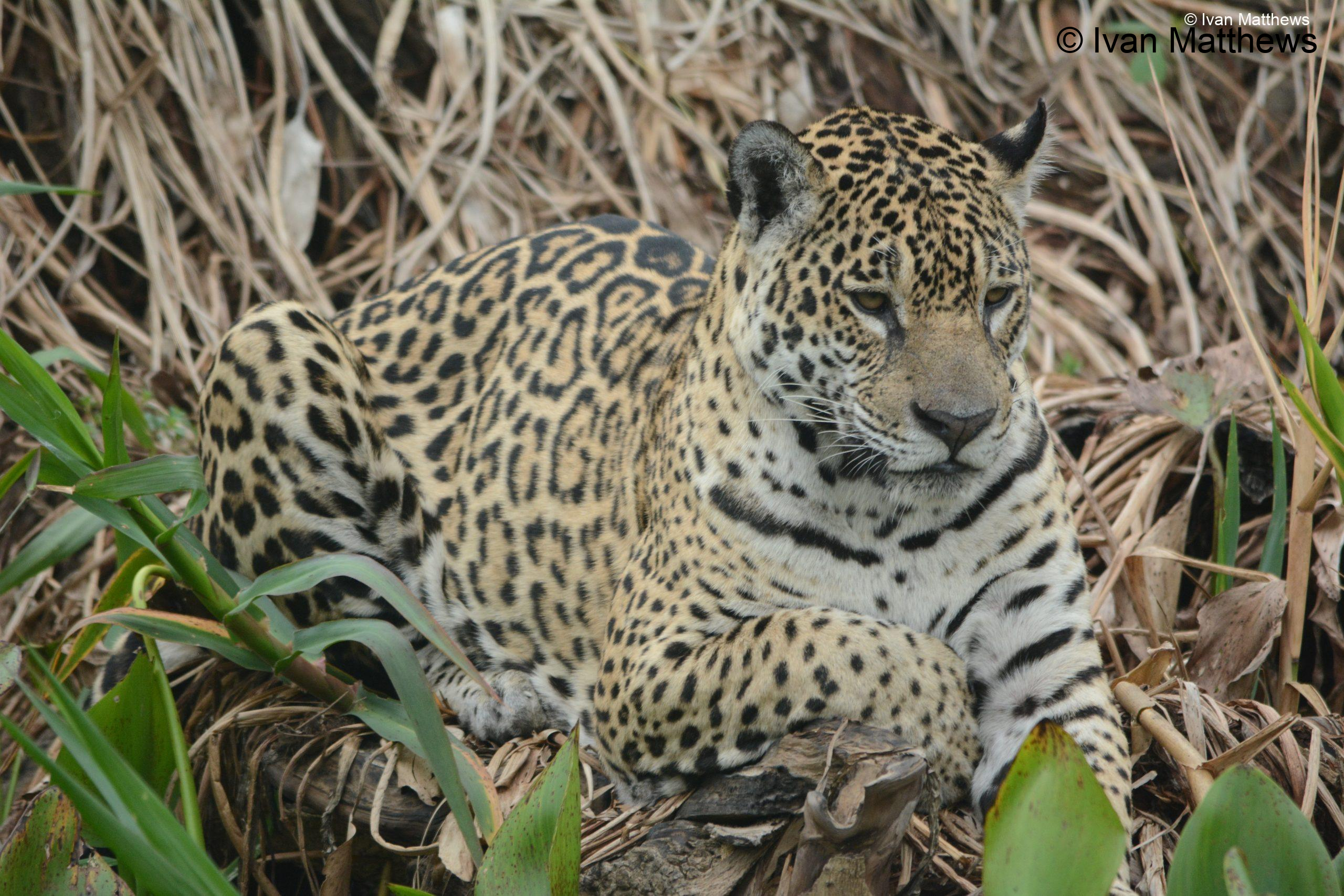
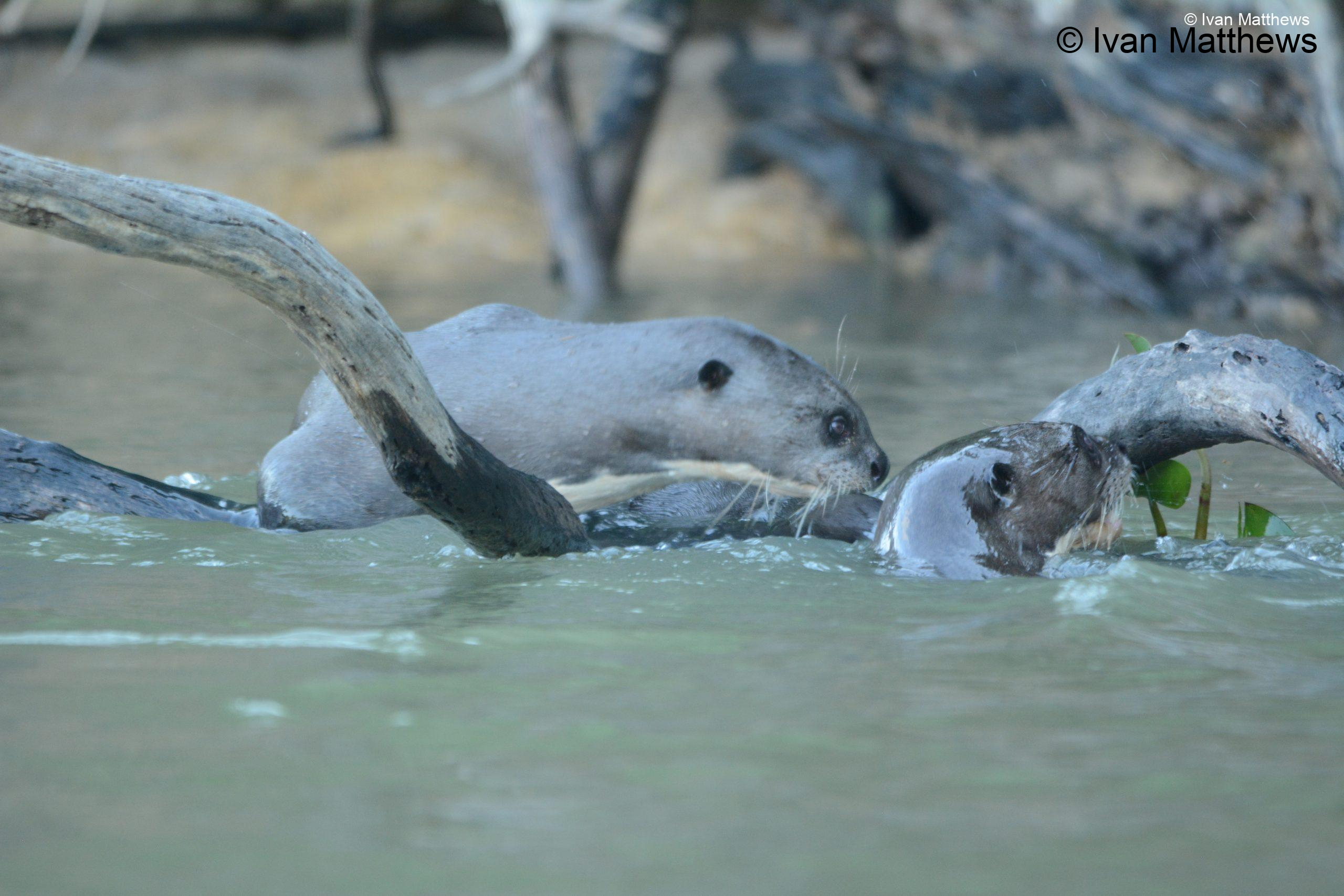
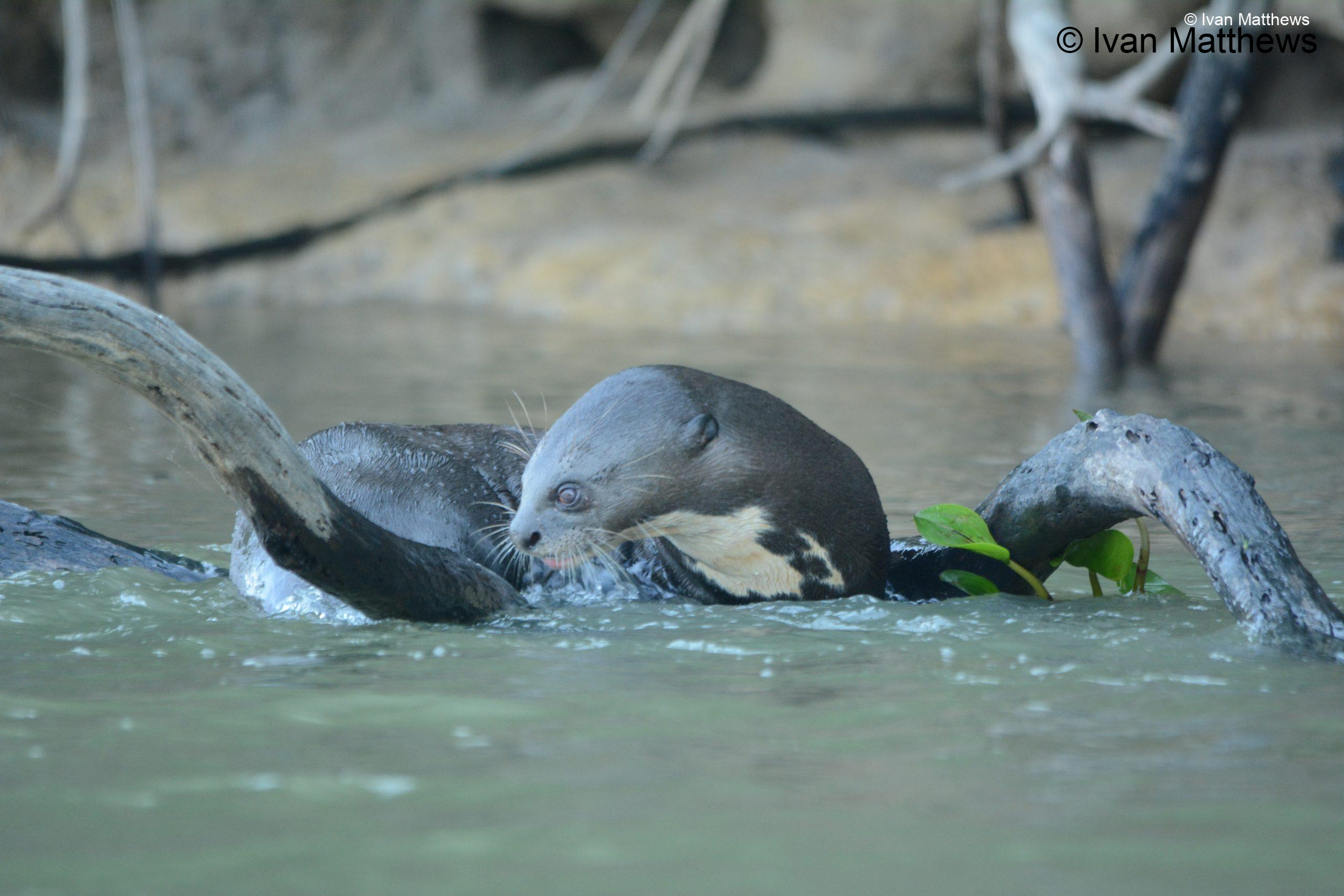
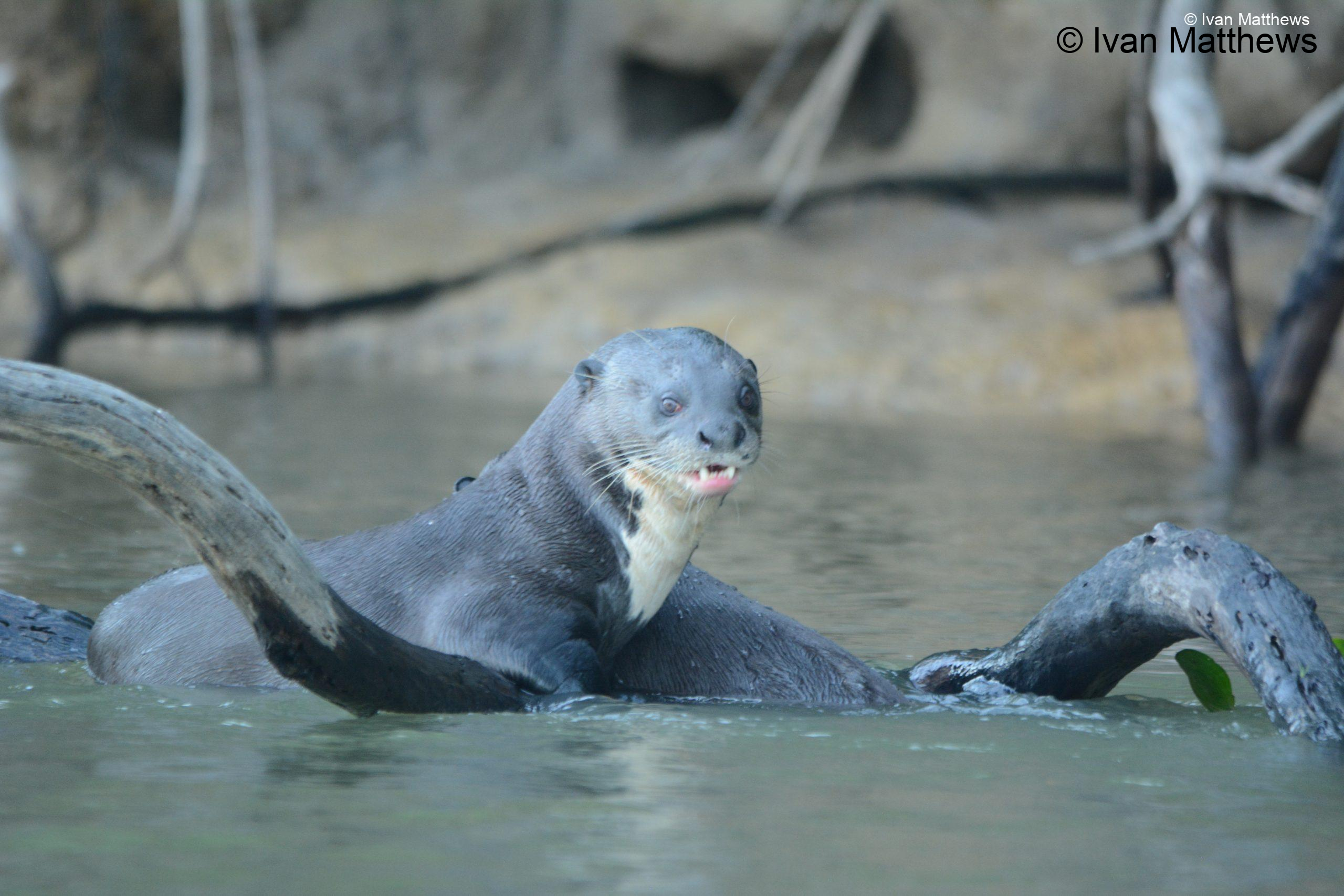
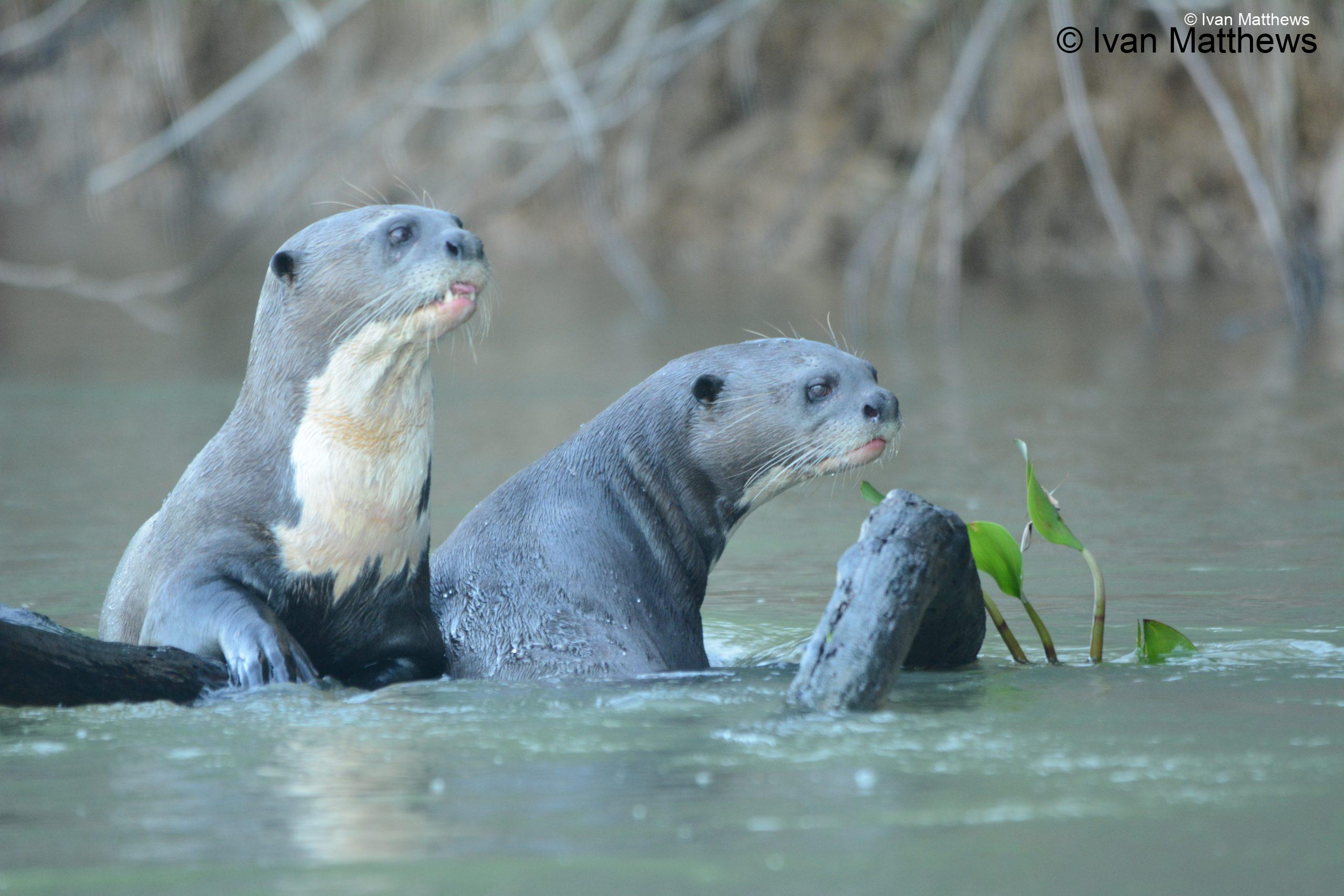
We did two days of boat trips on the Cuiabá River and Piquiri River. On the first day we saw 7 Jaguars (including a mother with 2 nearly adult cubs). To our amazement the mother suddenly leapt and caught a Caiman. The cubs then joined her to have a tug of war with breakfast!
On the second day we saw two Jaguars, the first the mother from the previous day who we watched for an hour and a half. The second had sadly been injured and her cub killed. Because the mother stayed for so long there were too many boats there (we estimate around 40). When she decided to move all hell broke loose amoung the boats jockeying for position. It felt rather uncomfortable to be honest. The boat captains kept a respectful distance until the Jaguar moved but then lost all common sense. Of course, ultimately, they scared her off.
To see Jaguars is magical but Porto Jofre is changing fast and there are now too many boats. They all have walkie talkies and starlink so they can WhatsApp each other!
We decided to go to Bolivia. The state of exception (as they call it. Interesting euphemism for the word emergency!) has been extended for a further 90 days. Their currency improved so I guess the annoucement was favourably received. Fuel (particularly diesel) remains an issue but other overlanders are finding it. A Dutch couple we met a few times are also going to Bolivia but are behind us.
Sunday 2nd September 2026 – Buenos Aires
We are staying in the car park of a small hotel. Here me met Marco Antônio, the 23 year old son of the owner who speaks remarkable English and is very articulate and helpful. We talked about many issues including the challenges of life in Brazil. Taxation is very high (especially multiple sales taxes), the highest in Latin America. The system is also highly complex although reforms have been promised. Elections are close and Bolsonaro’s son is standing now his father is in prison (albeit now at home (!) due to ill heath).